
A Guide to Ngorongoro Conservation Area
A Guide to Ngorongoro Conservation Area, the Ngorongoro Conservation Area is a breathtakingly stunning protected area in northern Tanzania. It’s usually included in most northern circuit safaris, especially after visiting the Serengeti. One of the most fascinating attractions in this area is the Ngorongoro Crater, which is undeniably the world’s largest unbroken caldera.
Apart from this enormous crater, there’s much to see, including the Olduvai Gorge, Olmoti Crater, Empakai Crater, and others. Want to know about Ngorongoro? Sit back and relax! Our article describes everything. Should you have more questions, please give us a call.
Where is the Ngorongoro Conservation Area?
As we mentioned, Ngorongoro lies in the north, spreading across the Arusha and Manyara regions. You can access it by either driving or flying. The most convenient way is driving. The drive from Arusha often takes 4-5 hours. It’s an adventure in itself. You will follow the highland route, and along the way, you’ll see plantations, villages, and highlands.
By flight, you can fly to Lake Manyara Airstrip (i f your itinerary includes Lake Manyara National Park). You can also fly to Ndutu Airstrip in the south, followed by a one-hour drive to the crater with game viewing en route.
Many guests don’t have to think about getting to Ngorongoro because we know how to fix this. If you plan to visit both the Serengeti and Ngorongoro, you’d better start with the former first, then finish with the latter. It’s much easier to get to Ngorongoro from the Serengeti.
When is the best time to visit Ngorongoro?
In terms of weather, we recommend June to October. The clear skies in these months mean your safari won’t be interrupted by sudden weather changes. Fewer water sources also bring together plenty of animals, making game viewing easy. Plus, accessible trails mean your safari vehicle won’t be trapped in mud.
However, June to October is always the busiest period. Many people visit Tanzania this time. And with the Ngorongoro Crater being small, crowds can be boring. Competition for spots in lodges and camps intensifies, thus driving up the safari costs.
The low season, which often runs from November to May, is a great time if you want to avoid the crowds and see the value of your money. This period is also great for birdwatching as many species settle in the crater and highlands for breeding. Just one thing – don’t forget your camera.
What to see in the Ngorongoro Conservation Area?
Ngorongoro is jam-packed with a variety of attractions. Some are as popular as the Ngorongoro Crater, while others are less popular, like the Olmoti Crater. Let’s begin with the best-known attractions.
1. Ngorongoro Crater
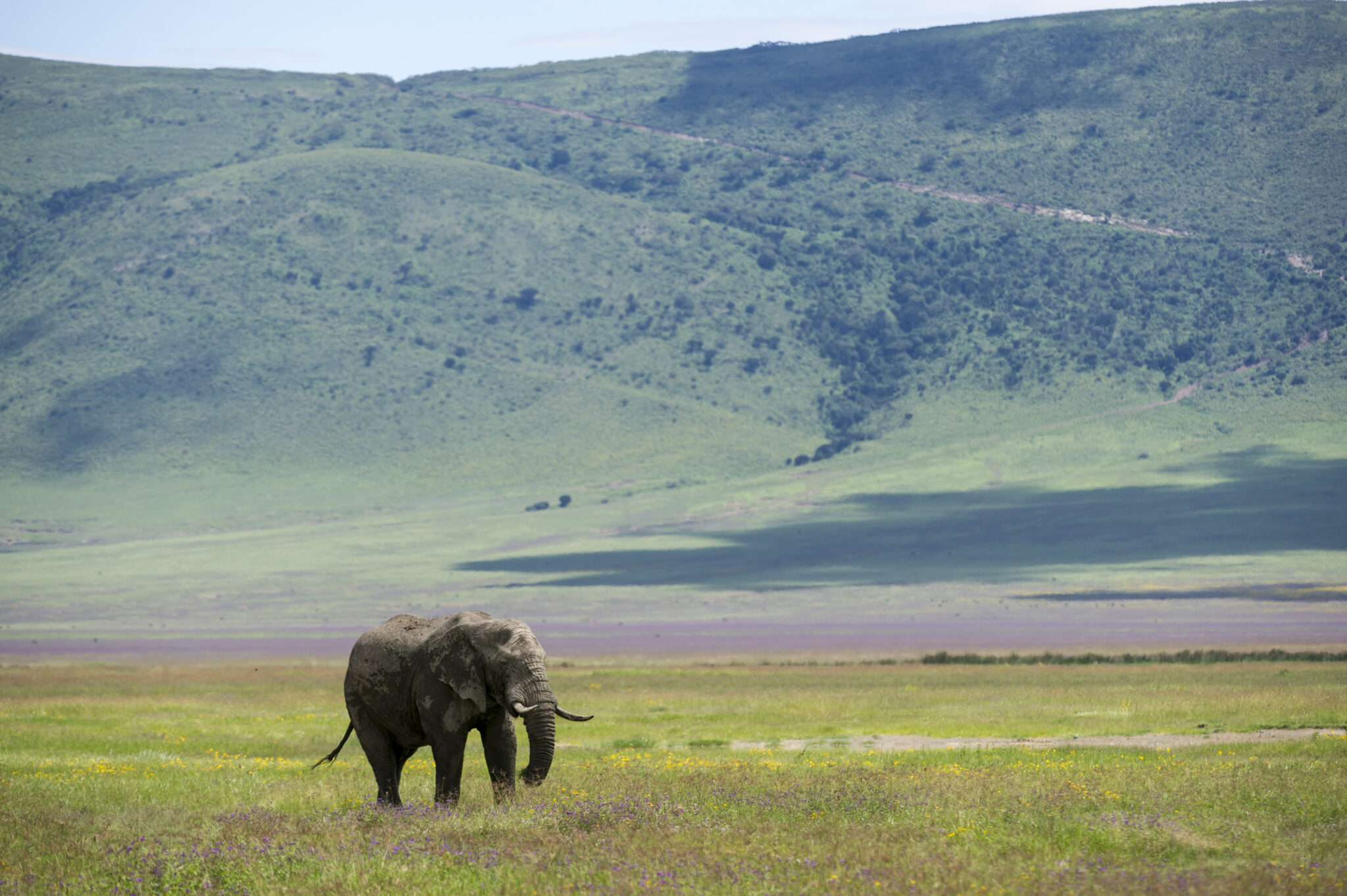
The Ngorongoro Crater is without question the largest intact caldera in the world. The crater is just 600 m deep, 18 km across, and 264 square kilometers big, but it has the highest density of large game in the world. Over 25,000 animals. The crater is a self-sustaining system with everything animals may need for life – water, pasture, and shelter. Therefore, animals in this caldera are less migratory.
The crater has a lot to offer. It’s the best place to view the iconic Big Five animals: lion, leopard, elephant, buffalo, and rhino. While seeing the black rhino may be challenging in the Serengeti, the crater promises excellent views of this elusive, historical mammal.
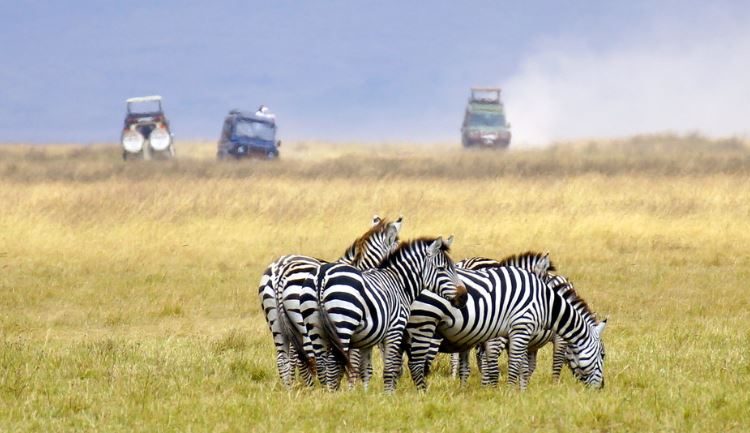
On top of the Big Five, you will see herds of wildebeest, zebras, and gazelles sweeping the savannahs. Cheetahs, hyenas, bat-eared foxes, and jackals are also present. Large flocks of flamingos are also common on the shore of Lake Magadi. When the lake is full (during the low season), the number of these pink birds is large.
2. Olduvai Gorge
History suggests that organisms (including human beings) lived in the Ngorongoro Conservation Area several years ago. That was proved by Dr. Louis and Mary Leakey, who in 1969, excavated ancient remains of hominids dating three million years ago.
Today, there’s a museum, the Olduvai Museum. Built in the Maasai-boma style, this museum houses ancient artefacts, stone tools, and the Laetoli footprints (we talk about this later). Classes can visit this place to learn more about human history.
To make your archaeological tour exciting, add a visit to the Laetoli Footprints. They date back to about 2 million years ago. Our ancestors stepped into molten ash, leaving their footprints. Subsequent eruptions covered the prints. Mary Leakey and her team excavated them.
3. Empakai Crater
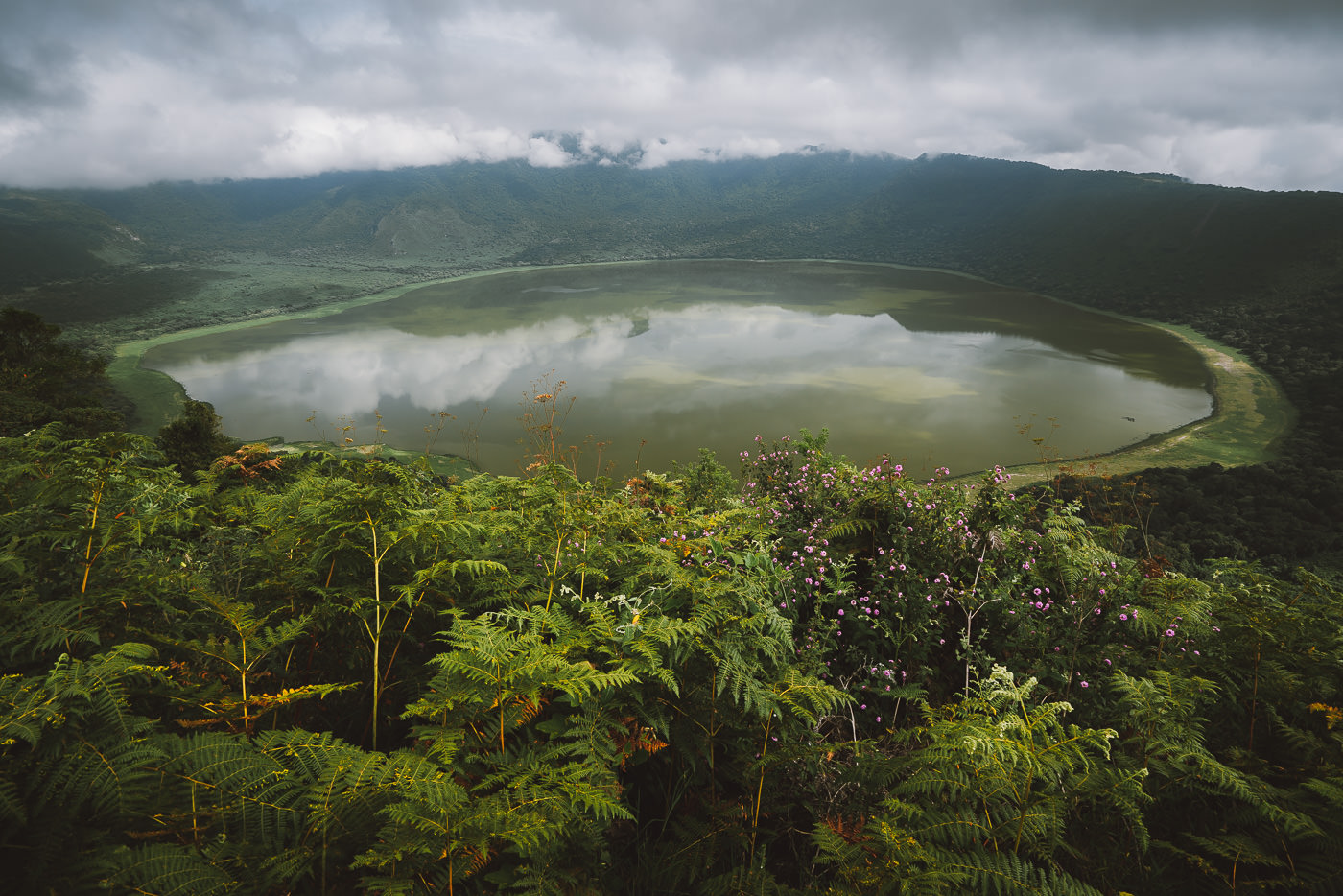
The Empakai is another fascinating crater in the Ngorongoro Conservation Area. Unlike Ngorongoro, which is intact, Empakai is broken with a soda lake taking about 75% of the total area. The crater rim rises higher, such that some points offer the view of the Ol Doinyo Lengai volcano and Lake Natron.
Trekking is the main activity done in Empakai. Guests guided by our expert guides often circle the rim while watching a sea of pink flamingos in the crater lake. The misty highlands also create a stunning backdrop, perfect for photographing. Animals like buffalo, wildebeest, elephant, and zebra also graze around the lake. Sometimes, you can meet Maasai herdsmen.
4. Maasai communities
For how long can you stay in the wild without your laptop or smartphone? Two weeks? Actually, two days. The Maasai in Ngorongoro have lived alongside wild animals for centuries. And please don’t miss a tour to one of the Maasai bomas.
The Maasai have unique traditions that haven’t changed for so long. Their dance is iconic. Men circle as one of them enters the center. They then jump as high as their strength allows, with women singing beautiful melodies.
The Maasai are good artisans—they make handicrafts like sandals, bangles, laces, and rings. Want to try their outfit? Sure thing. You can do and learn a lot with these unique communities.
Where to stay in Ngorongoro
The choice of your place to stay mainly depends on your budget. If you’re on a luxury safari, try high-end camps on the crater rim. These include Ngorongoro Crater Lodge, Kirurumu Ngorongoro, Entamanu, and Lemala Ngorongoro. Ngorongoro Serena Lodge is on the crater rim, but it is more affordable than the three above.
Want to sacrifice the crater views? Stay in the highlands, a few kilometers from the crater. The Manor at Ngorongoro, Lion’s Paw, Gibbs Farm, and Plantation Lodge are great options. The nearby town of Karatu also has great places to stay. It’s only a one-and-a-half-hour drive away.
The bottom line
Think nature, think Ngorongoro. Plus, we are here to help you. Don’t just end up reading about this wonderful destination. Come and explore it by yourself. We’ll handle everything, from flights to lodges and camps. Please give us a call.