
Western Tanzania Safari
The western corner of Tanzania is the most remote region. Yet, it is home to spectacular wildlife and relief features worth exploring. The homes of the endangered chimpanzees, Gombe and Mahale, are located in this safari circuit. On top of that, Katavi National Park, in the southwest, is home to megafauna and pristine forests. And there’s Lake Tanganyika.
A safari in the West is unique not because of frequent animal sightings but because of the type of animals you will see. The West features fewer animal species compared to the north. On this blog, we feature western Tanzania.
Getting to Western Tanzania
Western Tanzania is isolated from the main safari route and entry points—Arusha, Dar es Salaam, and Zanzibar. There are scheduled flights from both Arusha and Dar es Salaam to Kigoma Airport, which is close to both Gombe and Mahale. From here, take a 4-hour boat ride to Gombe or Mahale (your choice).
The most convenient way to get to Katavi is by flying. Safari Air Link flies twice, on Monday and Thursday, from Ruaha National Park to Katavi. Air Tanzania flies directly to Katavi Airport, from where you can drive for 2 hours to Katavi National Park.
Here’s the icing on the cake: Nomad Tanzania, a luxury brand, offers a complimentary transfer to Katavi and Gombe if you stay in their camps. We can help you book a combination of their southern camps, Kigelia Ruaha and Sand Rivers in Selous, and western camps, Chada Camp in Katavi and Greystoke Mahale.
When to visit Western Tanzania?
The best time to be in this safari zone is during the dry season, from June to October. The weather is predictable, with clear skies dominating most days. The dense rainforest thins out, making it easier to find wild animals.
Most western parks are extremely remote, so even a car can’t go through them. It may be difficult to penetrate the forest during the rainy season. Therefore, we discourage going there in the rainy season.
Best Destinations in Western Tanzania
Gombe National Park
Famous for Jane Goodall’s research, Gombe is Tanzania’s smallest park. It is just 35 sq km (14 sq mi) big, and it hosts the endangered chimpanzees, which Goodall found interesting, and she spent six decades studying their behavior. Her studies shaped the way people see the chimpanzees.
The main activity offered here is chimpanzee trekking. This activity involves hiking into the forests in search of a chimp territory (they move from one location to another). Trackers will tell you where to go based on clues like fresh dung, shaking branches, and the rustling of leaves.
After we find the troop, you will have an hour to observe them eating, playing with the young, or digging roots. Our guests often confess that these primates are our closest cousins, as science confirms. They use tools, have empathy, and live in tight-knit social hierarchies.
In addition to chimpanzees, you can spend good time on the beach. A freshwater breeze is both calm and fascinating, something you can’t experience in the Serengeti or Ngorongoro Crater. A boat ride or fishing trip is also a great way to wind up your day.
Places to Stay: Mbali Mbali Gombe Lodge, Gombe Forest Lodge, and Kasekela Luxury Tented Camp.
Mahale Mountains National Park
Mahale is another home for the wild chimpanzees, with about 900 of these primates. The park covers about 1,613 square kilometers (623 square miles) and features mountains, the Mahala Mountains. Chimps prefer to stay on the forested slopes of this mountain range.
Despite having more chimps than Gombe, only one chimp troop is habituated. The rest are wild, so always stay away from them. That means you should book your trek early so we can secure a chimpanzee trekking permit ($100 per ticket). Mahale is also home to other primates, such as vervet monkeys, blue monkeys, and colobus monkeys.
Additionally, you can hike to the peaks of the Mahale Mountains. Mount Nkungwe, which is the highest, stands at approximately 2,500 meters (8,202 ft) above sea level. You can also go for a fishing trip or relax on the beach.
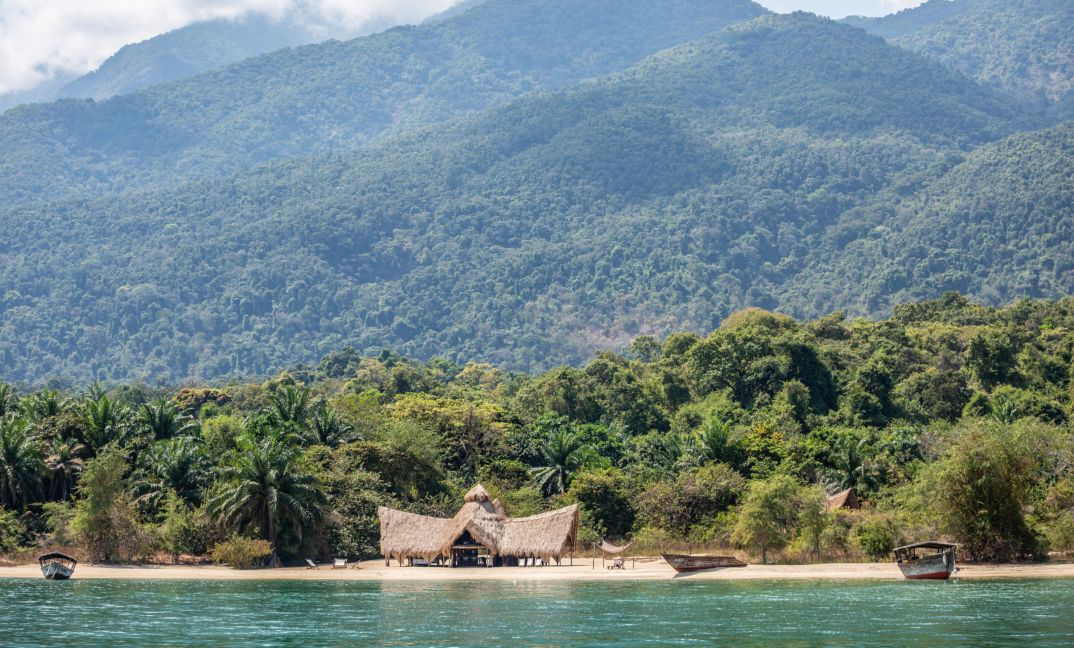
Places to Stay: Greystoke Mahale and Nkungwe Tented Camp.
Katavi National Park
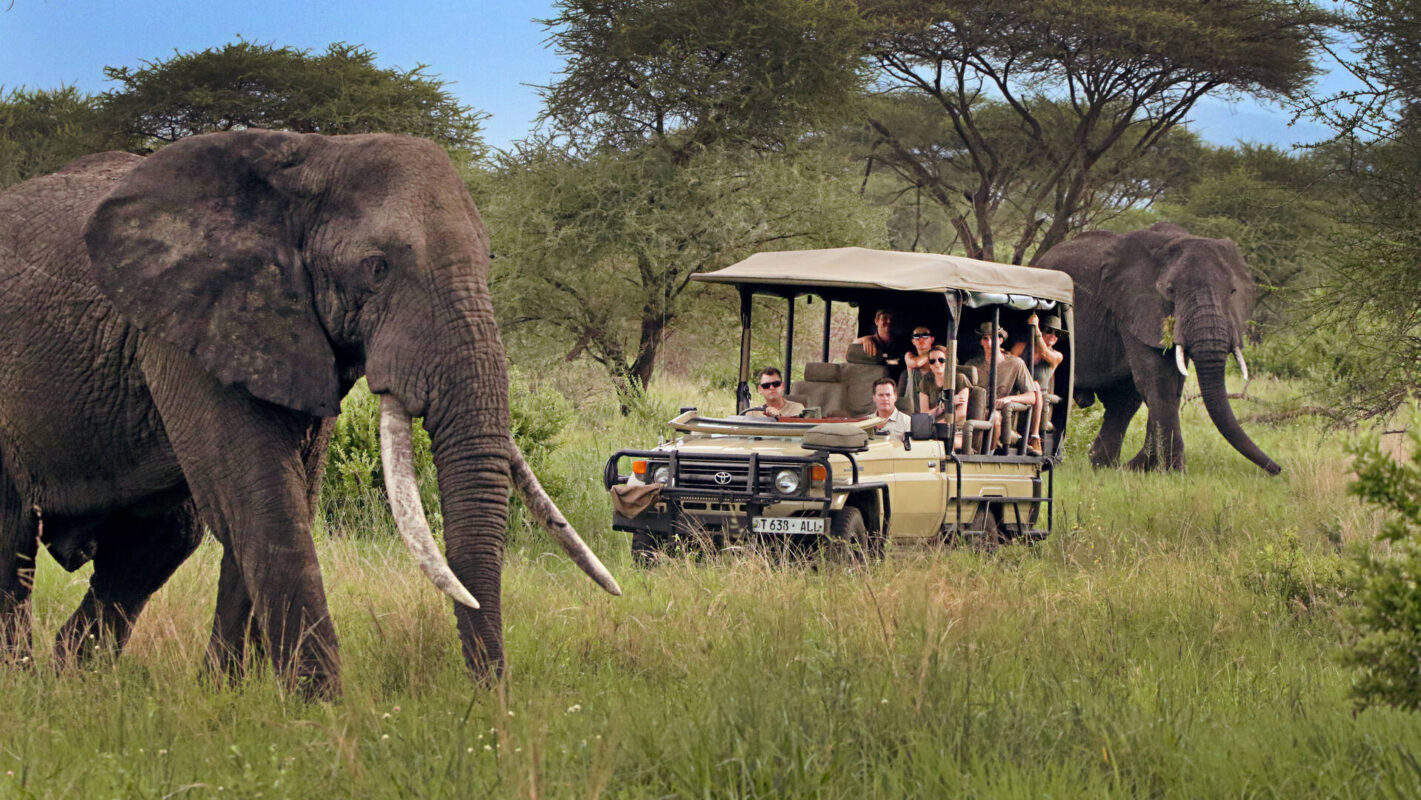
Katavi is, without a doubt, the most remote park in Tanzania. It spans 4,471 sq km (1,720 sq mi) and is, of course, the fourth largest park. This park is home to large game, including elephants, giraffes, buffalo, hippos, and lions.
The word “Katavi” comes from Katabi, the name of the legendary hunter who once lived in Katavi. He is believed to possess a tamarind tree, which he used for rituals. He was buried under a tamarind tree. Locals usually pay tribute to Katabi by bringing offerings to this tamarind in return for fertility and success.
Game driving is more rewarding here since there are no trails. So, you can get close to animals and take photos from your open-sided vehicle. If interested, you can book a night safari to look out for nocturnal animals like porcupines, lions, hyenas, aardvarks, and mongooses.
The giant Katuma River is navigable. Should you want to float along this majestic river, just tell your guide. Ballooning is also possible, as are fly camping and walking safaris. The best part is that you will do all these without the crowd and at an affordable price.
Where to Stay: Nomad Chada Camp, Katuma Lodge, Mbali Mbali Katavi, Palahala Luxury Camp, and Katavi Wildlife Camp.
How should you design your Western Tanzania safari?
How do I combine my northern safari with western Tanzania? It is easy: start with the fastest part, which is game viewing in the north, then slow down to view the magic of the west. If you want to combine with the south, start with Nyerere and then Ruaha. From there, connect with Katavi via Safari Air Link.
Alternatively, Nomad can handle flights for guests who will stay in one of its southern camps, Kigelia Ruaha and Sand Rivers, or western camps, Chada Katavi or Greystoke Mahale. That removes the hassle for you.