
Game Drive In Arusha National Park
Tucked between the bustling safari hub of Arusha city and the snow-capped summit of Mount Kilimanjaro, Arusha National Park stands as one of Tanzania’s most accessible yet underappreciated wildlife sanctuaries. Covering approximately 552 square kilometres, this compact park packs an extraordinary variety of habitats and wildlife into a relatively small area, making it an ideal destination for game drives that offer unforgettable encounters with East African wildlife.
Established in 1960, Arusha National Park is often overlooked by travelers rushing to the more famous Serengeti or Ngorongoro Crater. Yet those who take the time to explore its diverse landscapes are rewarded with an intimate safari experience, smaller crowds, and wildlife sightings that rival any park in the country. A game drive through Arusha National Park is not just a wildlife excursion — it is a journey through a living mosaic of forests, alkaline lakes, open savannah, and ancient volcanic craters.
Park Overview and Location
Arusha National Park is situated in the Arusha Region of northern Tanzania, just 25 kilometres east of Arusha town. Its strategic location makes it the most accessible national park in Tanzania, reachable within a 45-minute drive from Kilimanjaro International Airport. The park encompasses three main geographical features: the Ngurdoto Crater in the southeast, the shallow alkaline Momela Lakes in the northeast, and the towering Mount Meru — Africa’s fifth-highest peak at 4,566 metres above sea level — which dominates the western portion of the park.
The park’s altitude ranges dramatically from around 1,500 metres at the park entrance to over 4,500 metres at the summit of Mount Meru, creating a series of distinct ecological zones that support an extraordinary diversity of flora and fauna. This dramatic variation in altitude and habitat is the key to understanding why a single game drive through the park can present such a remarkable variety of wildlife experiences.
Habitats and Landscapes Encountered During the Game Drive
One of the most compelling aspects of a game drive in Arusha National Park is the variety of landscapes you traverse in a single outing. Unlike the vast, open plains of the Serengeti, the park offers a patchwork of distinct habitats in close proximity:
Montane Forest
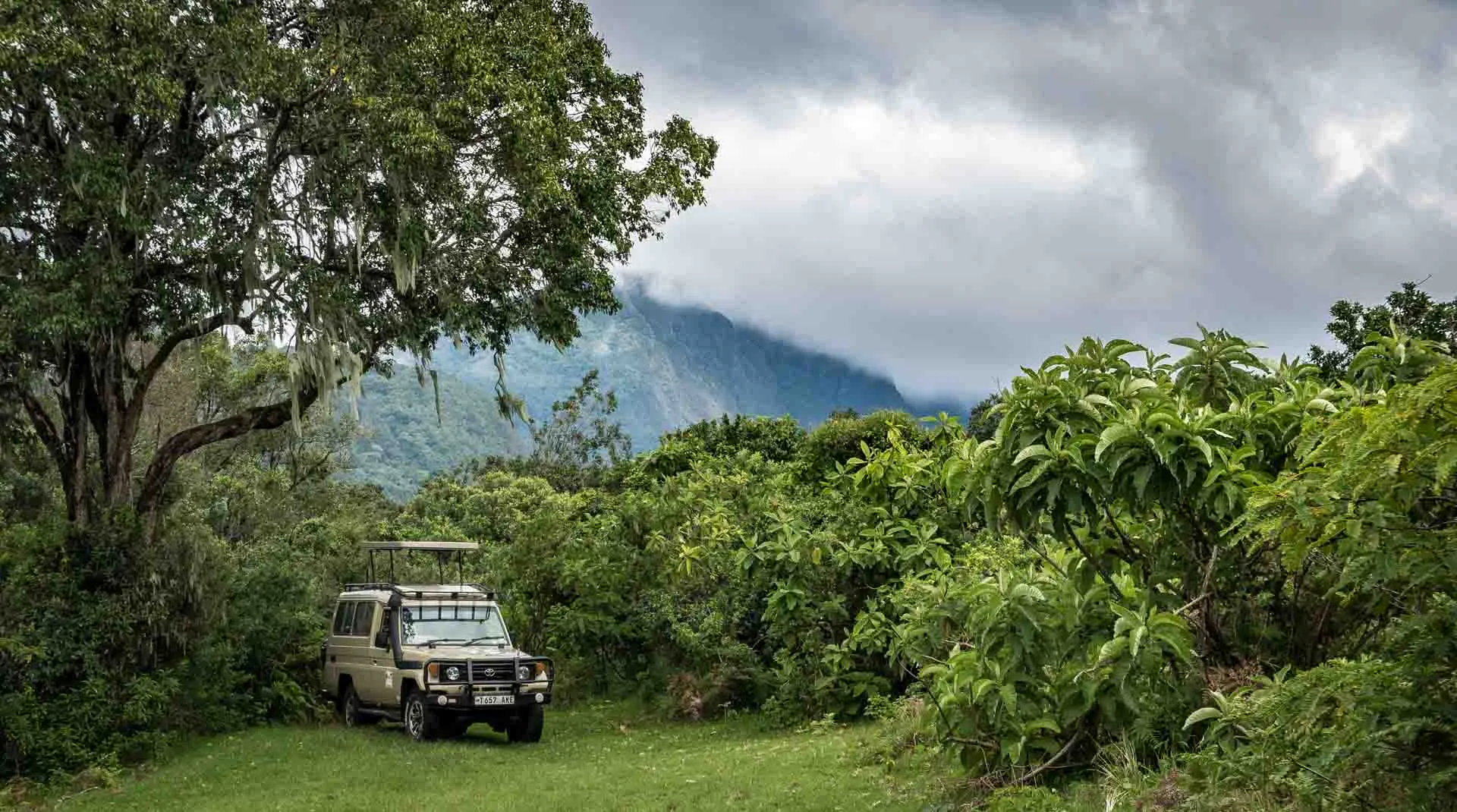
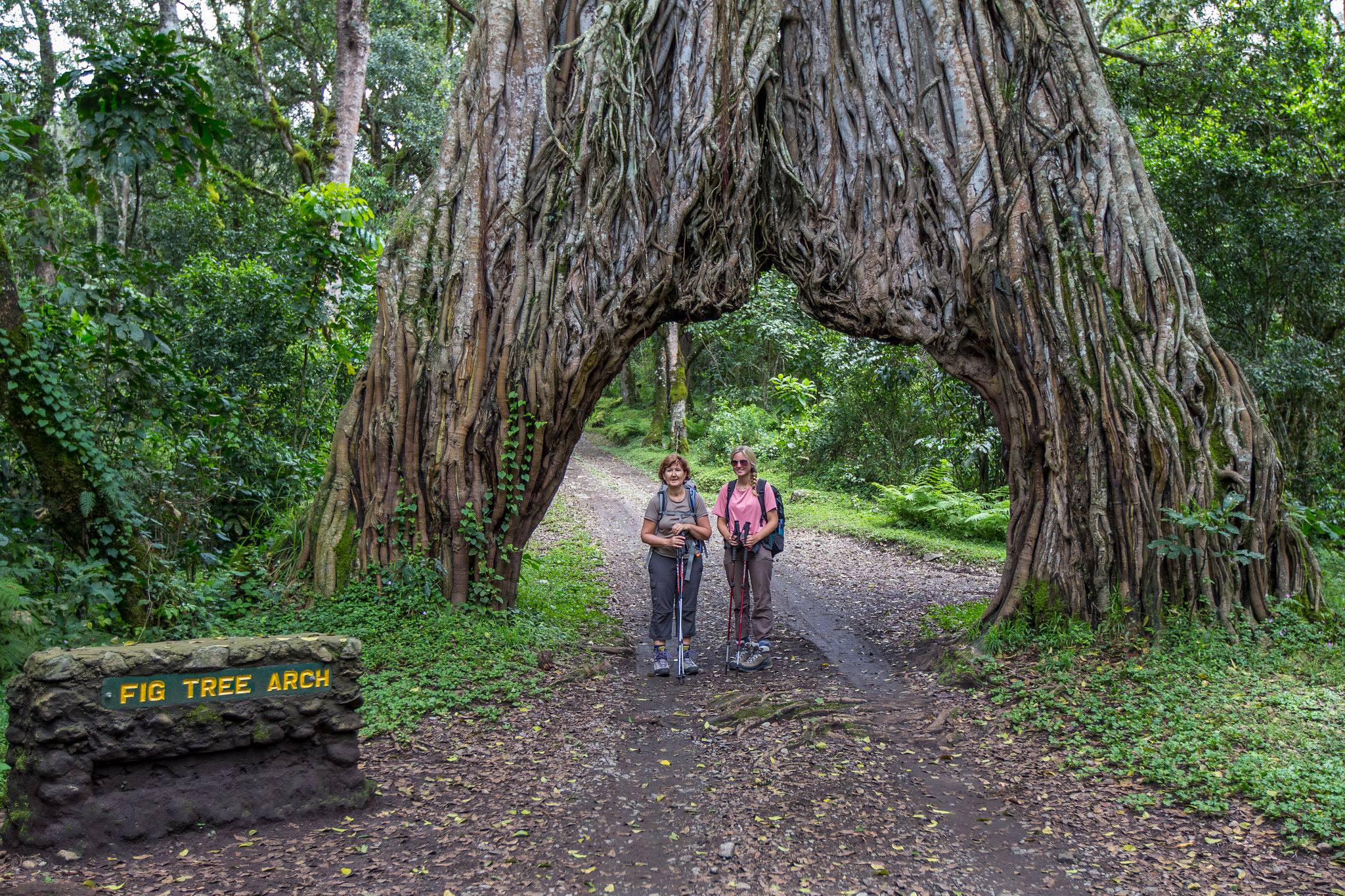
The dense montane forest on the slopes of Mount Meru and around the Ngurdoto Crater is among the most dramatic scenery in the park. Ancient fig trees, towering yellow fever acacias, and lush undergrowth create a verdant canopy that harbours colobus monkeys, blue monkeys, and numerous bird species. Driving through these forested sections, particularly in the early morning when mist clings to the tree tops, offers an almost mystical atmosphere unlike any other safari destination in East Africa.
Ngurdoto Crater
Often referred to as “Little Ngorongoro,” the Ngurdoto Crater is a collapsed volcanic caldera about three kilometres in diameter. Unlike its famous cousin, the crater floor at Ngurdoto is a marshland that is entirely off-limits to vehicles — visitors observe the wildlife below from viewing points along the crater rim. The sight of buffalo herds, warthogs, and forest hog grazing peacefully on the crater floor far below, framed by the forested walls of the crater, is one of the most memorable views in the entire park.
Momella Lakes
The seven Momella Lakes are a series of shallow, alkaline lakes in the northeastern section of the park, each with slightly different mineral compositions, giving them distinct colours ranging from deep green to vivid turquoise. These lakes are one of the park’s greatest attractions, particularly for birdwatchers. The lakes attract enormous concentrations of flamingos — both the lesser and greater varieties — as well as pelicans, herons, Egyptian geese, and a rich variety of wading birds. The reflection of Mount Meru and the surrounding highlands in the still waters of the lakes creates a photographic paradise.
Open Grasslands and Savannah
Between the forest zones and the lakeshores, open grasslands and lightly wooded savannah provide excellent habitat for large mammals. These areas are where visitors are most likely to encounter giraffes, zebras, Cape buffalo, and warthogs. The open terrain makes wildlife spotting relatively easy, and the backdrop of Mount Meru rising in the distance makes for extraordinarily scenic game drives.
Wildlife Encountered During a Game Drive
Arusha National Park supports a remarkable diversity of wildlife despite its relatively small size. A well-planned game drive through the park offers the chance to see a wide range of mammals, birds, and reptiles in their natural habitat.
Mammals
The park is home to an impressive array of mammals. Notable species that visitors commonly encounter during game drives include:
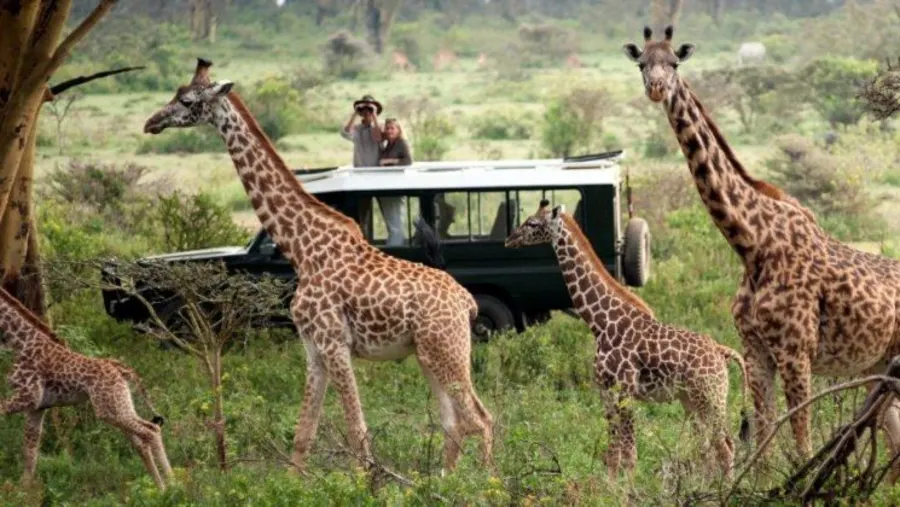
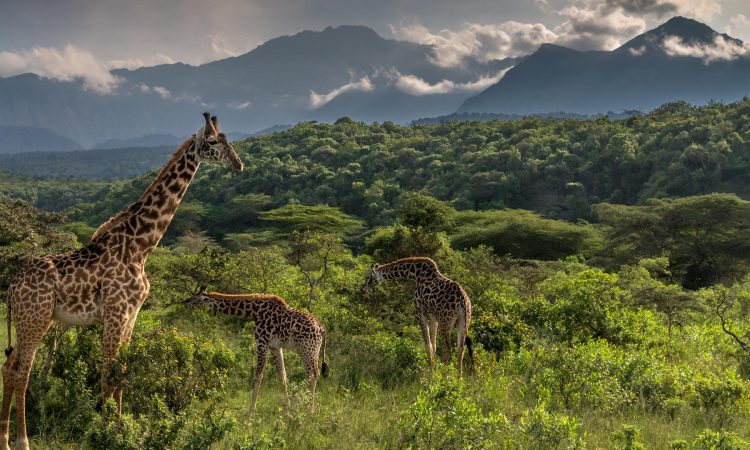
- Giraffes: Arusha National Park boasts one of the highest concentrations of Masai giraffes in Tanzania. These towering animals are frequently seen browsing on acacia trees throughout the park’s savannah zones, and they are often so comfortable with vehicles that remarkable close-up encounters are common.
- Zebras: Burchell’s zebras graze on the open grasslands in large herds. The sight of hundreds of striped animals moving across the grasslands against the volcanic landscape is one of the park’s most iconic images.
- Cape Buffalo: Large herds of buffalo congregate around the Momela Lakes and in the open grasslands. These formidable animals are among Africa’s most dangerous wildlife, and observing them from the safety of a vehicle is a thrilling experience.
- Warthogs: These entertaining animals are ubiquitous throughout the park. They are frequently seen kneeling to graze or trotting across the roads with their tails held characteristically upright.
- Hippopotamuses: The Momela Lakes harbour pods of hippos that can be observed lazing in the shallower sections of the lakes. Early morning game drives offer the best chance to see them active before they retreat to deeper water for the heat of the day.
- Colobus and Blue Monkeys: The forested areas of the park teem with black-and-white colobus monkeys and blue monkeys. These primates are highly visible in the canopy and are accustomed to the presence of vehicles, making for wonderful photographic opportunities.
- Bushbuck, Dik-Dik, and Waterbuck: Several species of antelope inhabit the park, from the tiny Kirk’s dik-dik, often seen in pairs along forest edges, to the larger waterbuck found near the lakeshores.
- Leopard and Serval: While the park does not have lions, leopards are present in the forest areas, though rarely seen due to their secretive nature. The more frequently spotted serval — a medium-sized wild cat — is occasionally encountered in the grasslands, particularly at dawn and dusk.
Birdlife
Arusha National Park is a paradise for birdwatchers, with over 400 species recorded within its boundaries. This exceptional avian diversity stems from the wide range of habitats found within the park. The Momella Lakes attract vast flocks of flamingos, pelicans, and wading birds, while the forests shelter Narina trogons, Hartlaub’s turacos, silvery-cheeked hornbills, and African crowned eagles. The open grasslands host raptors including martial eagles and bateleur eagles, while secretary birds stalk through the grass in search of reptiles. For birdwatchers, a game drive through Arusha National Park can easily yield sightings of 80 to 100 species in a single day.
Game Drive Routes and Circuits
The park has an extensive network of well-maintained game drive tracks that allow visitors to explore its different zones efficiently. Game drives are typically conducted in 4WD safari vehicles, which are necessary for navigating some of the rougher tracks, particularly during and after the rainy season.
The Momella Lakes Circuit
The most popular game drive route in the park, the Momella Lakes circuit loops around the seven lakes of the Momela complex. This circuit is especially rewarding in the early morning when the lakes are bathed in golden light and flamingos are most active. The route passes through open grassland zones where giraffe, zebra, and buffalo are frequently encountered. The drive typically takes two to three hours and can be combined with stops at the various lake viewpoints for photography and birdwatching.
The Ngurdoto Crater Rim Drive
The drive along the rim of the Ngurdoto Crater winds through the park’s montane forest, offering superb opportunities to spot colobus monkeys and forest birds. Several designated viewpoints along the rim provide breathtaking panoramic views down into the crater and across to Mount Kilimanjaro on clear days. This route is most atmospheric in the early morning when mist fills the crater and the forest is alive with birdsong.
The Serengeti Ndogo (Little Serengeti)
The open grassland area known locally as the Serengeti Ndogo — meaning Little Serengeti in Swahili — provides the park’s best savannah-style game drive experience. This area is particularly good for large herds of zebra and buffalo, and it offers sweeping views of Mount Meru that make for dramatic wildlife photography. The combination of open landscape and diverse wildlife makes this section a favourite with photographers and wildlife enthusiasts alike.
Best Time for a Game Drive
Arusha National Park can be visited year-round, but certain seasons offer distinct advantages for game drives. Understanding the park’s seasonal rhythms helps visitors plan their visit to maximise wildlife sightings and photographic opportunities.
Dry Season (June to October and January to February)
The dry season is widely regarded as the best time for game drives in Arusha National Park. During this period, the vegetation thins out as grasses die back, making wildlife easier to spot. Animals concentrate around permanent water sources such as the Momela Lakes, increasing the likelihood of exceptional sightings. The dry-season skies are often crystal clear, providing superb views of Mount Meru and, on particularly clear days, of Mount Kilimanjaro on the distant horizon. Roads within the park are also in their best condition during the dry season, making game drives more comfortable.
Green Season (March to May and November to December)
The green season brings lush vegetation and abundant water, transforming the park into a vivid tapestry of emerald greens. While dense vegetation can make spotting some animals more challenging, the park takes on a spectacular beauty during this period. The green season is particularly rewarding for birdwatchers, as migratory species arrive in large numbers and resident birds enter their breeding plumage. Rainfall typically occurs in concentrated afternoon downpours rather than all-day rain, so morning game drives often enjoy clear conditions. The park also sees significantly fewer visitors during this season, creating a more exclusive wilderness experience.
Practical Information for Game Drives
Park Entry and Fees
Arusha National Park is managed by Tanzania National Parks (TANAPA). Entry fees apply to all visitors and are paid in US dollars or Tanzanian shillings at the main Ngurdoto Gate or the Momela Gate. The park operates from 6:00 AM to 6:00 PM daily, and all visitors must enter and exit the park within these hours. Game drives are conducted within the park boundaries with a qualified ranger, and an armed ranger escort is mandatory for certain areas, particularly those near the forest where buffalo may be present.
Vehicle Requirements
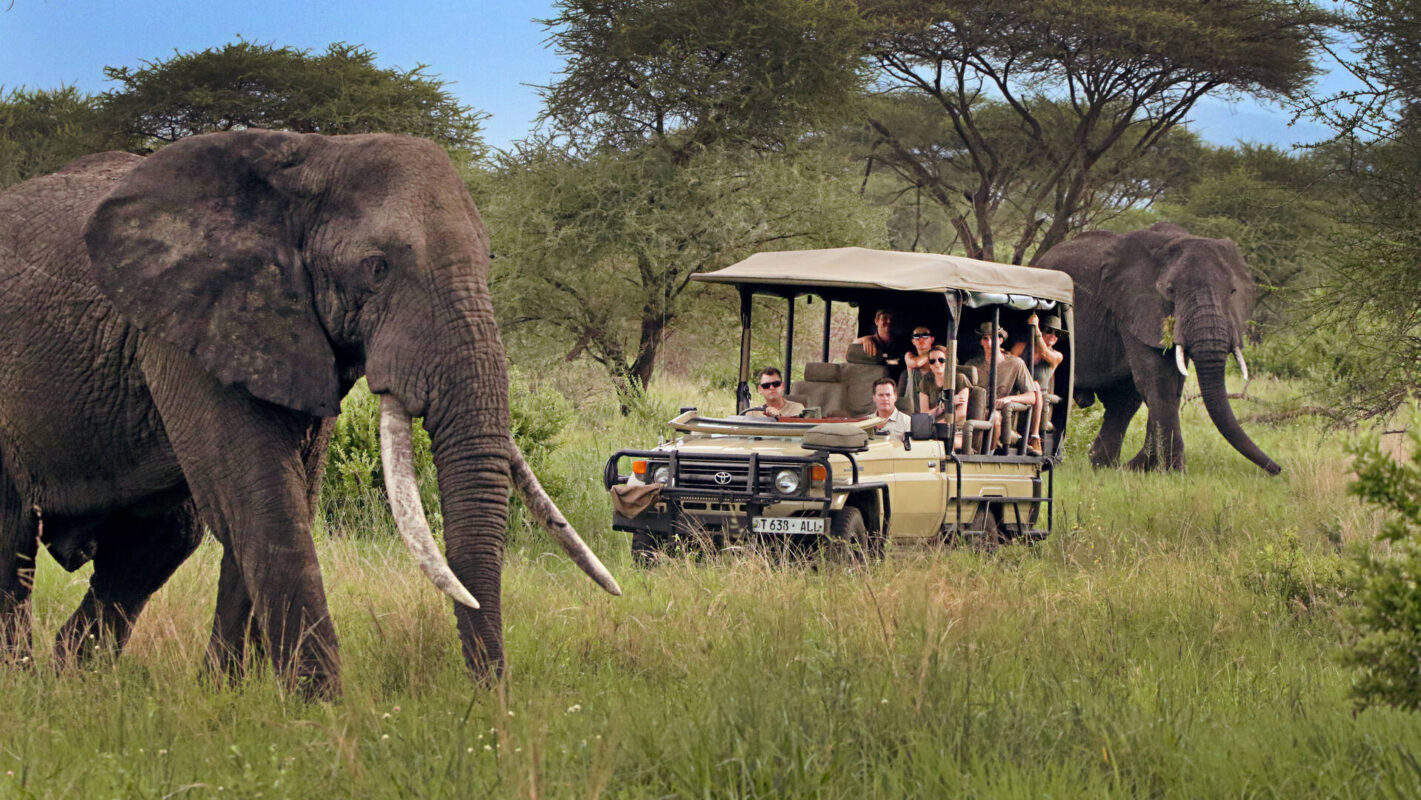
All game drives within Arusha National Park must be conducted in a registered 4WD safari vehicle. Self-drive is permitted for visitors with their own 4WD vehicles, though the majority of visitors opt for guided game drives with experienced local safari operators. Pop-up roofs on safari vehicles allow passengers to stand and observe wildlife above the vehicle’s roofline, which significantly enhances the game drive experience and photographic opportunities.
What to Bring
To make the most of a game drive in Arusha National Park, visitors should bring the following:
- Binoculars: Essential for spotting distant wildlife and identifying birds at the Momela Lakes.
- Camera with a telephoto lens: Wildlife encounters can be exceptionally close, but a telephoto lens allows for stunning portraits of distant animals.
- Warm clothing: Despite its proximity to the equator, the park’s altitude means mornings can be remarkably cool. A fleece or lightweight jacket is recommended, particularly for early morning game drives.
- Sunscreen and sunglasses: Once the sun rises, temperatures can climb quickly, and UV exposure at altitude is strong.
- Insect repellent: Particularly important near the lakes and in the forested areas.
- Field guides: A bird and mammal field guide for East Africa greatly enhances the experience, particularly for independent travellers and wildlife enthusiasts.
Guided vs. Self-Drive Game Drives
While self-drive game drives are permitted in Arusha National Park, first-time visitors are strongly advised to hire a knowledgeable local guide. Experienced guides possess an intimate knowledge of the park’s wildlife movements, the best spots for specific species, and the optimal times to visit each section of the park. They can also identify bird species and provide fascinating ecological context that greatly enriches the safari experience. Many reputable safari operators in Arusha city offer guided game drives that can be booked on short notice, making Arusha National Park an excellent option for travellers who wish to experience East African wildlife without the logistical complexity of a multi-day safari.
Combining a Game Drive with Other Park Activities
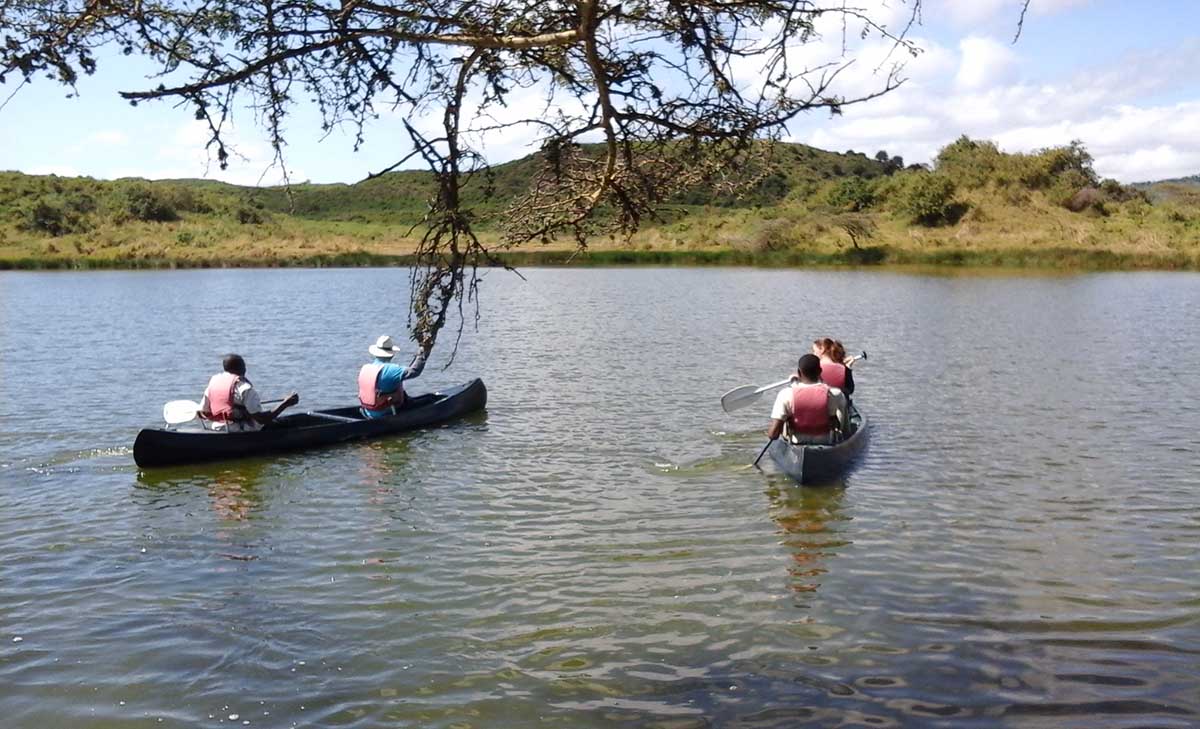
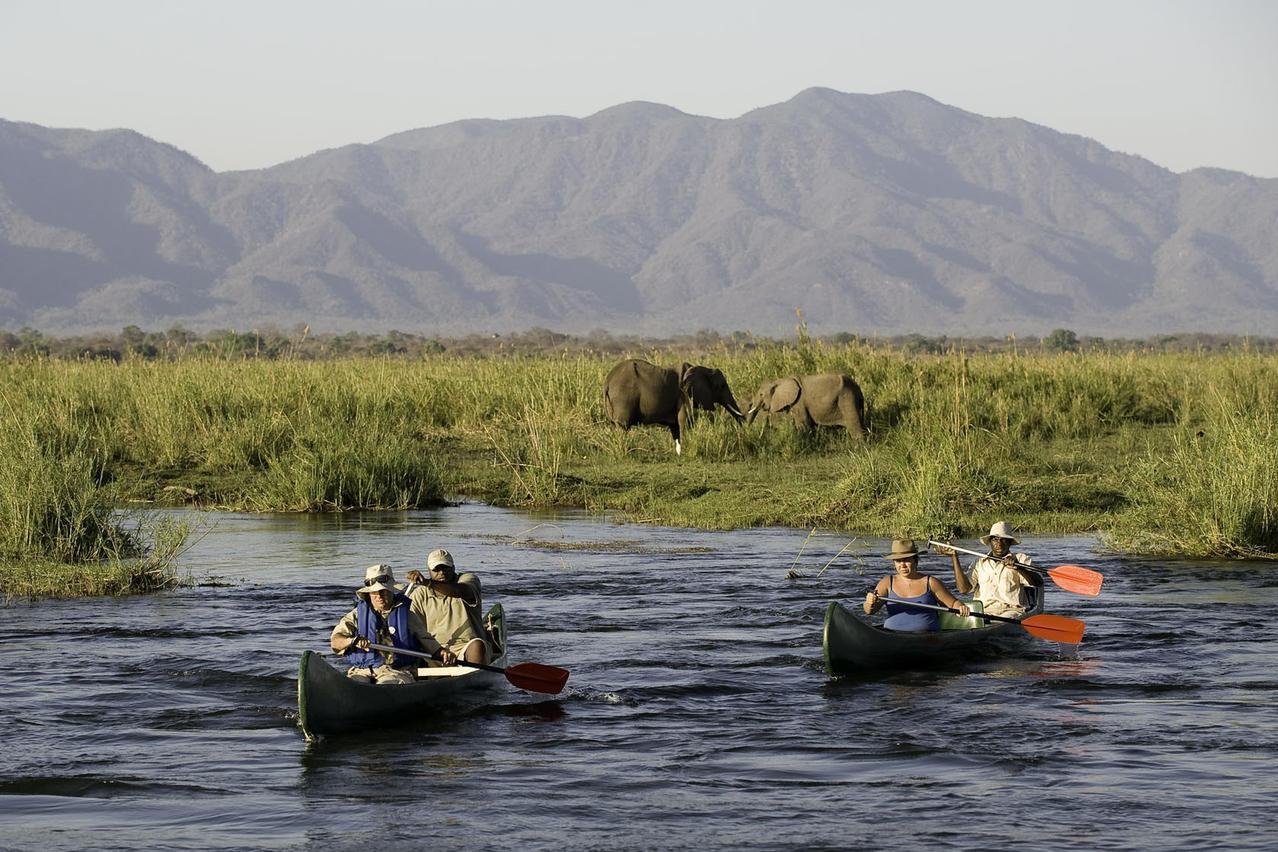
A game drive in Arusha National Park can be combined with a range of other activities to create a comprehensive park experience. Walking safaris accompanied by an armed ranger offer an intimate ground-level perspective on the park’s ecosystems, allowing visitors to examine tracks, insects, plants, and smaller wildlife that are often overlooked from a vehicle. Canoeing on the Momela Lakes is a unique and memorable activity that provides exceptional birdwatching opportunities from water level, with hippos and flamingos often in close proximity.
For those with ambition and physical fitness, Arusha National Park also serves as the starting point for treks to the summit of Mount Meru. A four-day guided ascent of Mount Meru is one of Tanzania’s finest trekking experiences and passes through the park’s diverse ecological zones. Many travellers choose to climb Mount Meru as an acclimatisation exercise before attempting Kilimanjaro, and the views from the summit — encompassing the park below and Kilimanjaro rising majestically in the distance — are among the most spectacular in all of Africa.
Conservation and Environmental Significance
Arusha National Park plays an important role in the conservation of northern Tanzania’s biodiversity. The park’s montane forests are part of a critical ecological corridor linking the Eastern Arc Mountains with the forests of Mount Kilimanjaro, providing essential habitat for species that depend on continuous forest cover. The park serves as a vital watershed, with Mount Meru’s streams feeding rivers that supply water to communities throughout the Arusha region.
Tourism revenue from game drives and other park activities directly funds conservation efforts, anti-poaching patrols, and community development projects in the surrounding areas. Visitors to the park contribute meaningfully to these conservation objectives simply by choosing to spend time in this remarkable ecosystem. Tanzania National Parks (TANAPA) works continuously to maintain the park’s infrastructure, manage invasive species, and monitor wildlife populations to ensure the long-term ecological health of the park.
How to Get There
Arusha National Park’s exceptional accessibility is one of its greatest advantages. The park is located approximately 25 kilometres east of Arusha town on the Arusha–Moshi road, making it reachable in under an hour from the city centre. Kilimanjaro International Airport, one of the busiest airports in East Africa, lies just 50 kilometres from the park and receives direct flights from Nairobi, Dar es Salaam, and various international destinations. Arusha city itself is well served by domestic flights from Dar es Salaam, and by road it is approximately eight hours from Nairobi, Kenya.
The road to the Ngurdoto Gate entrance is paved, and the drive from Arusha city through the agricultural foothills and past coffee and sisal plantations is scenic in its own right. Day trips from Arusha are entirely feasible, and many visitors combine a morning game drive in the park with an afternoon visit to Arusha city’s cultural and historical attractions, including the Natural History Museum and the Arusha Declaration Museum.
Conclusion
A game drive in Arusha National Park offers an experience that is at once intimate, diverse, and deeply rewarding. In a single outing, visitors can travel through ancient montane forests draped in mist, observe flamingos reflected in turquoise alkaline lakes, encounter towering giraffes and thundering buffalo herds on open savannah, and gaze upon the volcanic grandeur of Mount Meru against the East African sky. All of this unfolds within minutes of one of Africa’s most vibrant safari towns, with the snow-capped silhouette of Kilimanjaro sometimes visible on the horizon.
Whether you are an experienced safari-goer seeking a quieter alternative to Tanzania’s more famous parks, a birdwatcher in pursuit of the park’s extraordinary avian diversity, or a first-time visitor to Africa looking for an accessible introduction to East African wildlife, a game drive in Arusha National Park will not disappoint. This hidden gem of the Tanzanian safari circuit deserves far greater recognition, and those who discover it are invariably glad they did.
