
Canoeing in Little Momella Lake in Arusha National Park
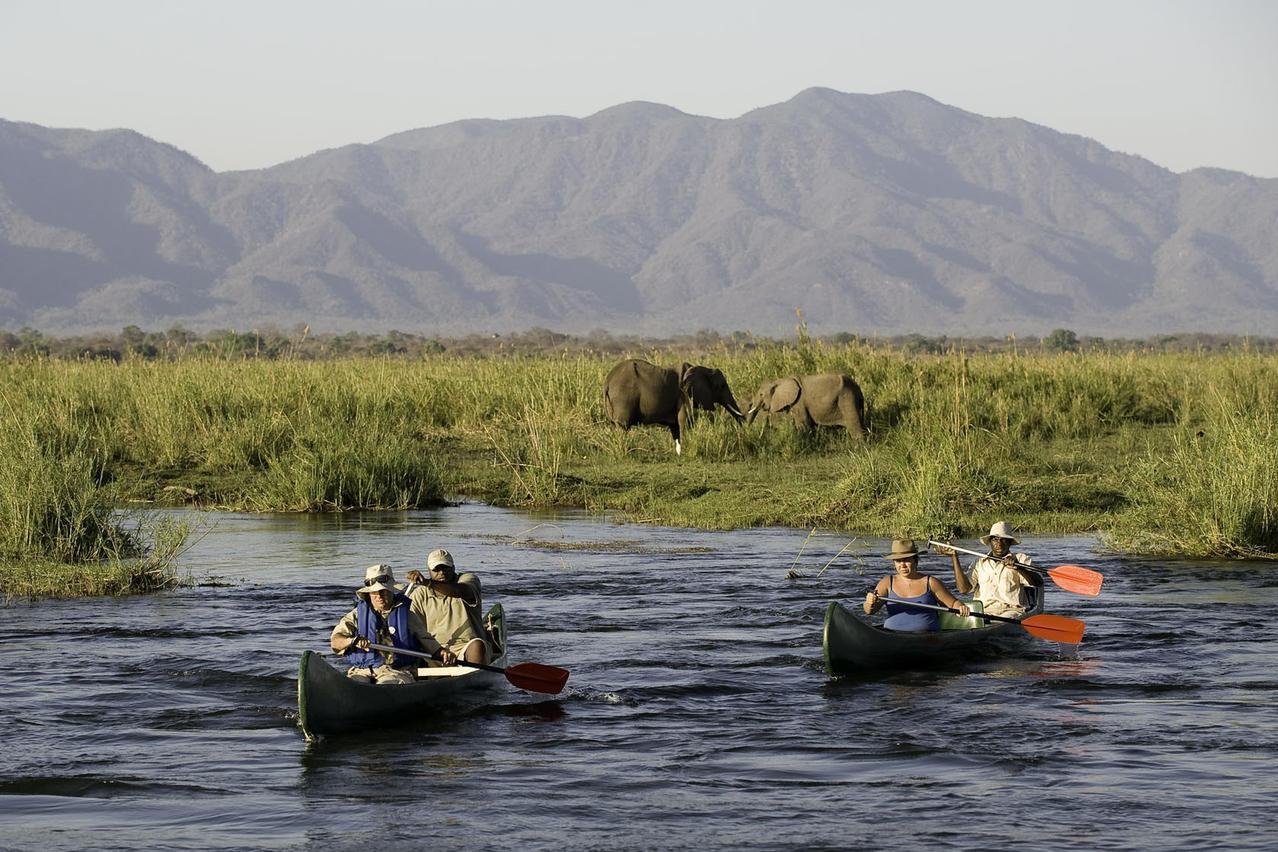
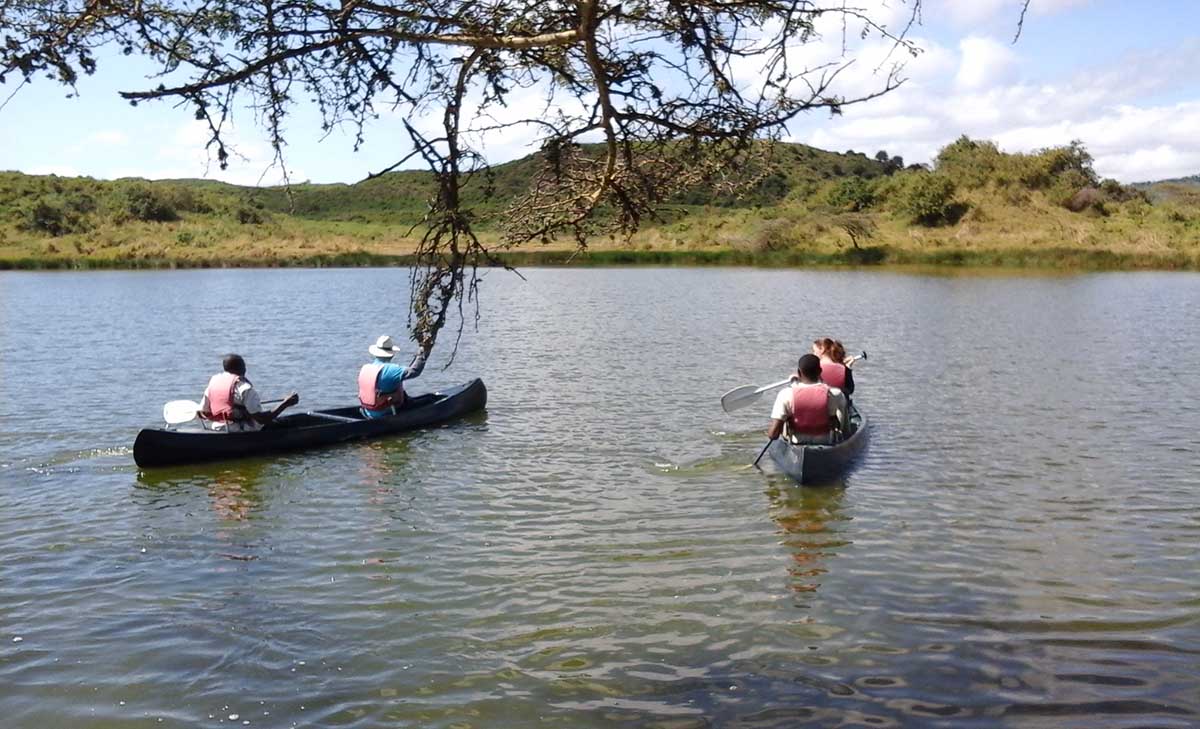
Canoeing in Little Momella Lake in Arusha National Park, For guests desiring a novel viewpoint on Tanzania’s fauna, canoeing in Arusha National Park provides a tranquil and engaging experience. This activity enables you to experience the park from the sea, engaging with nature in a manner that conventional game drives hardly provide. The park is situated about 30 minutes from Arusha town, ensuring convenient access for either a half-day or full-day visit. Incorporating kayaking into your safari schedule allows you a simultaneous feeling of exhilaration and tranquility within a single day.
A Picturesque Expedition to the Momella Lakes
The journey to the Momella Lakes is stunning. While traversing verdant forests and expansive woodlands, you may observe creatures along the path. Arusha National Park features many terrains, including volcanic hills and expansive plains. The Momella Lakes are distinguished for their vibrant hues and plentiful avian population. Extensive congregations of pink flamingos frequently assemble along the lake’s perimeter, forming a vivid juxtaposition against the tranquil water and adjacent hills.
Rejuvenating Picnic with Breathtaking Vistas
Upon arriving at Little Momella Lake, visitors can relax at a picturesque picnic area situated on a gradual elevation. This location provides expansive vistas of the lake and adjacent hills, creating an ideal environment for a relaxed lunch. While savoring your lunch, you may view the birds and absorb the serene ambiance. This little interlude readies you for the subsequent guided kayaking excursion.
Guided Canoeing Expedition
Expert guides from our collaborators at Foot on Africa welcome travelers at the lakeshore. They supply life jackets, assist in selecting the optimal canoe, and elucidate safety protocols to guarantee all participants feel assured. Upon entering the water, you commence a 30-minute guided paddle around the lake. Each brushstroke unveils fresh vistas of the hills, woodlands, and lakeside fauna, presenting superb photographic prospects and indelible landscapes.
Intimate Interactions with Fauna and Avifauna
Canoeing facilitates silent navigation over water, enabling proximity to animals that surpasses many other safari pursuits. Flamingos, herons, pelicans, and various avian species frequently congregate near the water, while giraffes, antelope, and buffalo may forage along the banks. The tranquil tempo guarantees minimal disruption, providing an optimal opportunity to observe and appreciate the natural surroundings.
Optimal for Families and Individuals of All Ages
The tranquil essence of canoeing renders it appropriate for individuals of all ages and fitness capabilities. Both children and adults can safely engage in paddling amidst breathtaking landscapes. By integrating canoeing with a walking safari, travelers acquire a multifaceted and fascinating experience, visiting both terrestrial and aquatic habitats in a single visit.
An Unforgettable Safari Experience
Canoeing on Little Momella Lake provides an ideal combination of excitement, tranquility, and wildlife viewing. This experience enriches any safari by offering a distinctive viewpoint of Arusha National Park, fostering enduring memories beyond the conclusion of your journey.
Other things to do in Arusha National Park
Ngurudoto Crater
Ngurudoto Crater is one of five remarkable volcanic craters located in northern Tanzania, near Arusha. The remaining locations are Ngorongoro, Maasai, Empakaai, and Olmoti. Ngurudoto has a depth of around 300 meters and a diameter of 3.2 kilometers. Nonetheless, the Ngurudoto floor is softer and generally inappropriate for vehicular travel, rendering walking safaris the sole means of exploration. The crater is encircled by a rainforest abundant with fauna.
The wildlife
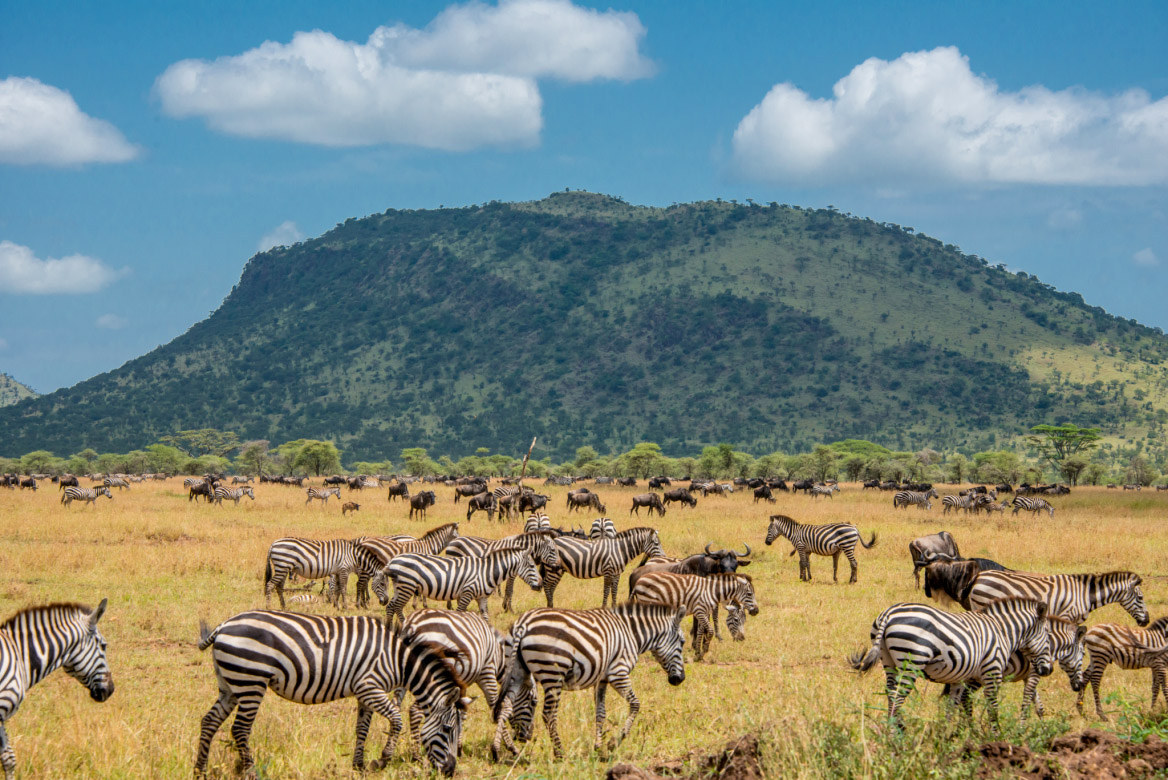
Arusha National Park is one of the premier destinations for a wildlife safari on Tanzania’s northern circuit. The remarkable park serves as a habitat for several wildlife species located in numerous areas, including the Ngurdoto Crater region, the banks of Lake Momella, and the Ujambo Wa Mbogo region, among others. Arusha National Park houses the greatest population of giraffes globally. Additional wild animals comprise elephants, Cape buffalo, warthogs, bush pigs, waterbucks, bushbucks, duikers, dik-diks, spotted hyenas, leopards, and lions. Black-and-white colobus and blue monkeys inhabit the park.
Ficus Tree Arch
Fig Tree Arch, located in Arusha National Park, is a distinctive tree resembling an arch, enough large for a tree or even an elephant to traverse beneath. This fig tree serves as an excellent location for photography, offering visitors numerous opportunity to capture striking images, whether positioned beneath the arch or glimpsing from their safari vehicle while sheltered by the tree. The fig tree originated from a seed dispersed by birds who consume its fruit. Numerous trekkers en route to the Tululusia waterfalls pause to admire this remarkable tree during their safari in Tanzania.
Birding
Arusha National Park is a premier birding safari destination in Tanzania, boasting over 400 known bird species, including woodland species, raptors, waterfowl, and migratory birds. Among the avian species you may observe here are the great egret, ring-necked dove, black-bellied bustard, European nightjar, black-headed heron, helmeted guineafowl, little bittern, red-chested flufftail, common swift, intermediate egret, African green pigeon, saddle-billed stork, crested francolin, crested guineafowl, grey heron, European white stork, cattle egret, laughing dove, Abdim’s stork, sombre nightjar, common ostrich, white-faced whistling duck, fulvous whistling duck, grey crowned crane, red-knobbed coot, lesser and greater flamingos, Hartlaub’s bustard, goliath heron, montane nightjar, maccoa duck, pink-backed pelican, red-eyed dove, woolly-necked stork, black heron, black-faced sandgrouse, Egyptian goose, dwarf bittern, African swift, Shelley’s francolin, vulturine guineafowl, yellow-throated sandgrouse, hamerkop, coqui francolin, and little swift, among others.
Ngurudoto Museum
The Ngurudoto Museum is located in the eastern section of Arusha National Park, adjacent to the Ngurudoto Crater, enveloped by verdant rainforest foliage. This museum was established to exhibit the various species of animals inhabiting the Ngurudoto crater. This location is ideal for acquiring knowledge about them prior to visiting the crater. The museum features a gift shop, contemporary restrooms, a limited parking area, and a nearby ranger station with residential accommodations. The surrounding region hosts several plant species, some of which are accompanied by plaques providing detailed information.
Uwanja wa Mbogo, also known as Buffalos Glade
Uwanja wa Mbogo, also known as Buffalos Glade, is located just west of the Momella gate in the northeastern region of Arusha National Park. This location is situated at the base of Mount Meru and is among the initial landmarks for hikers en route to the mountain’s peak, provided they commence their trek at the gate. This area is frequented with buffalos, giraffes, and warthogs, making it an excellent location for walking safaris. One of the intriguing aspects of the glades is the coexistence of buffalo and warthogs, each relying on the other for survival. The warthogs utilize buffalo biomass to deter certain natural predators; in exchange, they leverage their acute vision to alert the buffalo of imminent threats by racing with their tails elevated, a behavior observable while approaching the glade. Furthermore, as buffalo graze on tall grass, they reduce its height, facilitating feeding for warthogs as they consume it while kneeling.
Mount Meru
Mount Meru is a dormant stratovolcano situated 70 kilometers west of Kilimanjaro in the southeastern Arusha Region of Tanzania. At an elevation of 4,562.13 meters (14,968 feet), it is discernible from Mount Kilimanjaro on a clear day and ranks as the fifth-highest mountain peak in Africa, contingent upon the definition employed. The mountain is a significant tourist attraction located within the park, which is a favored place for hiking. It is renowned for its dramatic cliffs, varied fauna, and picturesque greenery. The slopes of Mount Meru host a remarkable diversity of wildlife, including elephants, rhinoceroses, giraffes, buffalo, antelopes, white colobus monkeys, and leopards, as well as over 400 bird species.
