
The Best Time to Visit the Ngorongoro Crater
The Best Time to Visit the Ngorongoro Crater, the Ngorongoro Crater is, of course, one of the seven wonders of the world, and there are clear reasons as to why. This UNESCO World Heritage site is a 260 sq. km. (100 sq. mi.) volcanic caldera that remains intact after what was once a gigantic volcanic eruption long ago.
The crater has 600m-high walls that create a natural gate for a population of more than 25,000 animals. As a result, these animals do not participate in the Serengeti’s Great Migration. Fun enough, the Big Five, the lion, leopard, elephant, buffalo, and black rhino, call it home.
In this enormous caldera, you are guaranteed spectacular wildlife sightings all year round. However, the best time to visit will depend entirely on your ability to tolerate crowds, your photography goals, and which specific animal behaviors you want to see. On this blog, we will explain everything about the best time to visit the Ngorongoro Crater.
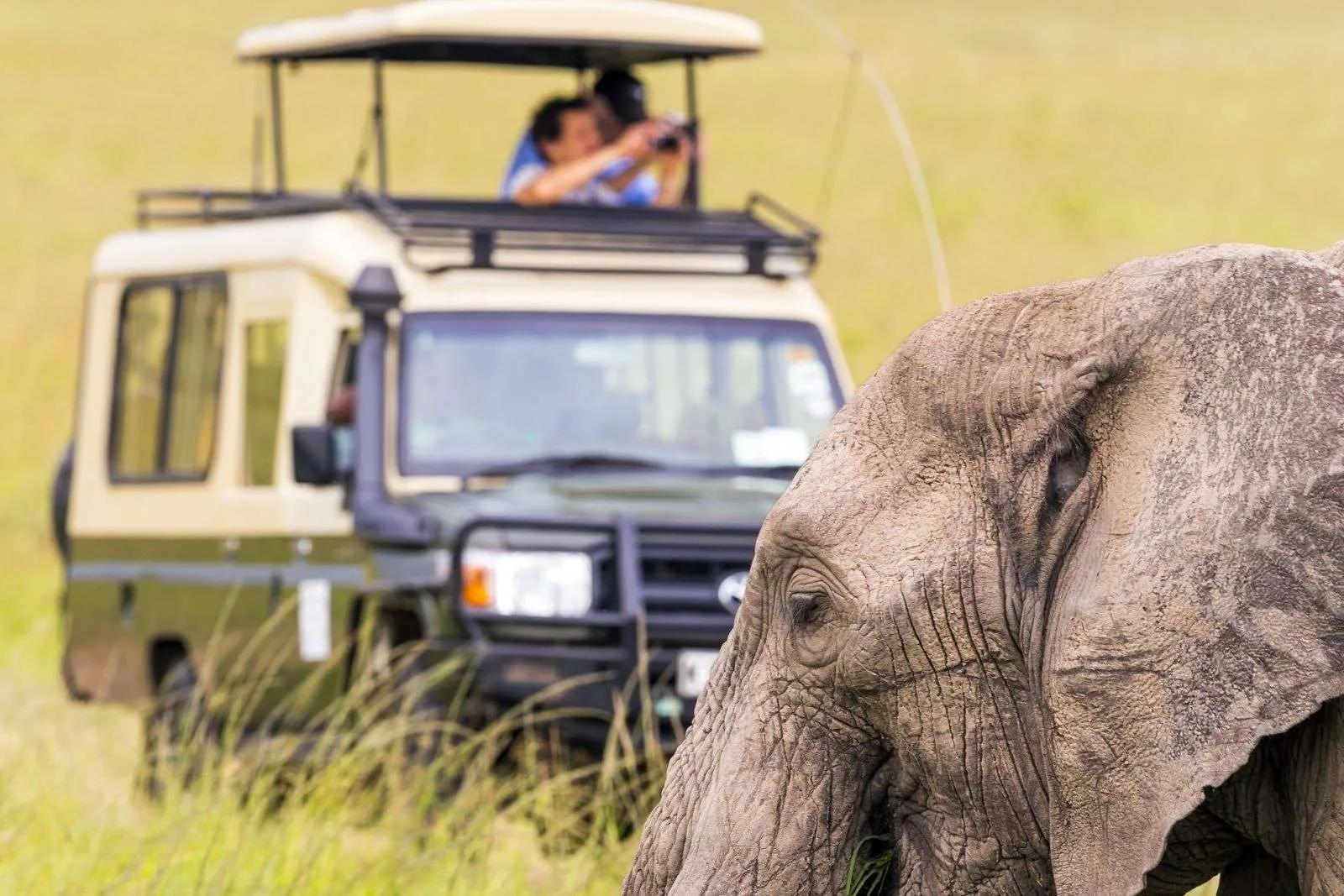
The dry season (June to October).
In Tanzania, the best time for game viewing is often during the dry season, when the vegetation is thin, and animals gather around reliable water sources. However, be aware of dust, crowds, and inflated prices. Sometimes, you may have to compete for a lion sighting (for example) with more than six safari vehicles.
During this time, it is easier to track predatory movements. Excellent hunters like leopards would take position on a tree branch, waiting to launch an explosive attack when the prey comes their way. Lions prefer to visit water sources to spy for a meal. Since they are not good runners, lions hunt in groups.
The thick vegetation that grows during the rainy season usually withers away during this time of the year, reducing the camouflage that predators like lions and cheetahs tend to use to their advantage. You will also get to see the extremely elusive predator, the leopard, which is much easier to spot on the dry, dusty land than during the dry season.
During the dry season, the seasonal water puddles evaporate, and so the animals gather in clusters around some permanent water sources like Lake Magadi. Park the vehicle near these water sources, and the animals will come directly to you. You will also get the chance to see the top endangered black rhinos that wander through the crater in search of food on the open grassland.
The green season (November to May).
During the wet season, the crater transforms from a dusty dryland into a lush green landscape with beautiful emerald green vegetation. This season is subdivided into the short rains (November and December) and the long rains (March through May). This is the peak time in the crater for calving season due to the presence of enough feeding ground for the herbivores.
You will witness the wildebeests and zebras calving their newborns during this short 2-week window, with more than 8,000 calves born every day. During this period, you will get to see the concentration of local apex predators like the Lions, spotted hyenas, cheetahs, and leopards
The rainy season is that time of the year when migratory birds swarm the crater. If you are a birdwatching enthusiast, you will be completely breathless by the number of bird species you will encounter here. Species like the white stork, Amur falcon, lesser flamingo, and the Eurasian bee-eater fly to this haven of land, which is full of natural beauty and serene wildlife.
If you have a passion for photography, the rainy season is definitely good for you in the Ngorongoro Crater. The crater experiences a shift from the dry, dusty atmosphere that doesn’t quite glow or crisp up in photos to this wonderful haven for scenic photography. You will get a beautiful atmosphere for those beautiful, crisp photos whose memories will last for a generation.
Logistical Reality for Touring the Ngorongoro
Navigating the Ngorongoro Crater involves some strict conservation and regulatory rules. The experience is nothing like a standard game drive where you can just cruise around all day, as the authorities try to keep the place completely operational. The crater floor sits 600 meters (2000 feet) down a steep drop from the montane forests, and as you descend, you are locked into about a six-hour limit per vehicle for a single permit.
So once your driver drops down that track, the clock starts ticking. Because of that, your time down there is a focused, strategic loop, which makes choosing the right time of year absolutely important. If you are going purely to tick the Big Five off your bucket list in a single day, and you don’t really mind the crowds of other safari trucks, then book your trip between June and September.
This is the peak dry season, and the grass gets eaten down to practically nothing. With zero hiding spots left, lions and leopards are completely exposed, and the animals are forced to concentrate around the few remaining water sources. And just so you know, you will sometimes get stuck in vehicle traffic jams around a lion kill. And the volcanic dust will coat everything you have, but it is hands-down the best safari adventure for spotting rare wildlife like the black rhino.
If you aren’t a fan of crowds and want a completely different experience, then aim for the January to March window instead. First off, the prices at the lodges drop, the dust clears out, and the scenery turns an incredible, lush green. This is the calving season, when the resident herds drop all their calves at once, which in turn brings out a ton of predator action without the long traffic jams.
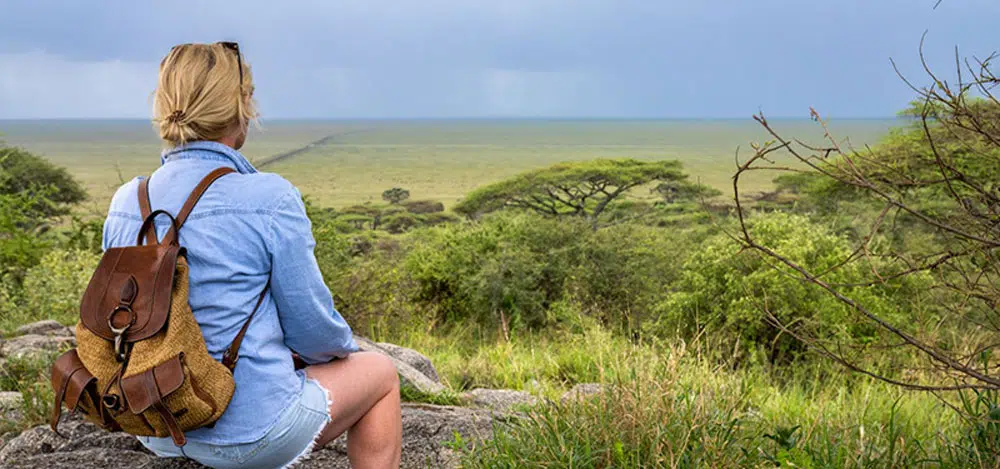
For photographers, the air is clear, and the crispness of the afternoon makes for incredible snapshots. Plus, the crater’s soda lake fills up with thousands of migratory flamingos, turning the water completely pink. It’s a much more relaxed and wonderful way to see the crater if you aren’t very focused on avoiding a bit of rain.
Let’s plan your Crater safari
Our experts are here to help you plan your next adventure to the Ngorongoro Crater. We will fix the schedule to ensure you have enough time to explore the crater and any favorite destinations. Email us at info@exploreafricansafaris.com.