
Best Time for Tanzania Wildlife Safari
Best Time for Tanzania Wildlife Safari, One of the most important decisions travelers ever make when planning their African adventure is choosing the best time for a Tanzania wildlife safari. Tanzania is an East African country that offers exceptional safari experiences throughout the year. But every Tanzania safari season brings its own unique character, advantages, and considerations. Understanding these patterns of the Tanzania safari season is invaluable, as it helps visitors align their safari expectations with reality and creates a Tanzania safari tour that is far more rewarding.
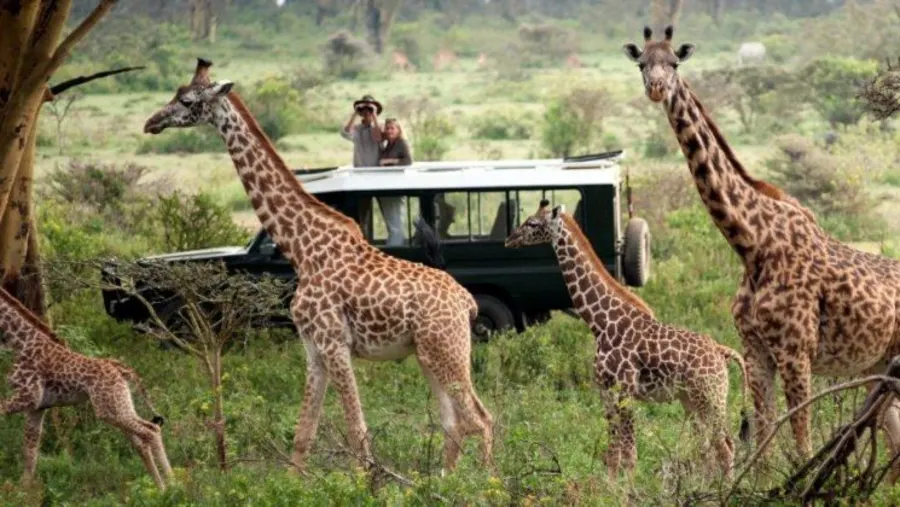
The dry season, which runs from June to October, is traditionally considered the high season for Tanzania safaris. During these months, vegetation becomes thinner and water sources diminish, causing animal populations to concentrate around the remaining rivers and waterholes. This makes it easier to spot wildlife, as animals are more reliably found in open spaces. For this reason, the northern parts of Serengeti National Park become the focal point as the Great Wildebeest Migration arrives, creating dramatic river crossings filled with tension and excitement for all visitors. Many Tanzania tour operators have noted that the dry season offers the best overall conditions for photography, as the skies are clear, animals are predictable, and the landscape is clearly visible.
The period from July to September is considered the prime window for a Tanzania safari within the dry season. During this time, weather conditions remain favorable, with warm days and cool nights that allow animals to be at their most active. The open landscape makes it easier for predators to hunt, and large herds of elephants, buffalos, and antelopes gather in predictable locations. This is the season when many Tanzania safari travelers witness some of the most iconic scenes that define Tanzania safari destinations.
From January to March, another excellent window presents itself, particularly for visitors interested in the beginning of the migration cycle. During this important time, the southern part of Serengeti National Park becomes the centre of attention, as over a million wildebeest gather to give birth. The abundance of vulnerable calves attracts numerous predators, creating intense Tanzania wildlife action. The landscapes are lush and green following the short rains, providing beautiful photographic opportunities with vibrant colours and dramatic cloud formations. This period is generally less crowded than the peak dry season, allowing for a more intimate Tanzania safari experience.
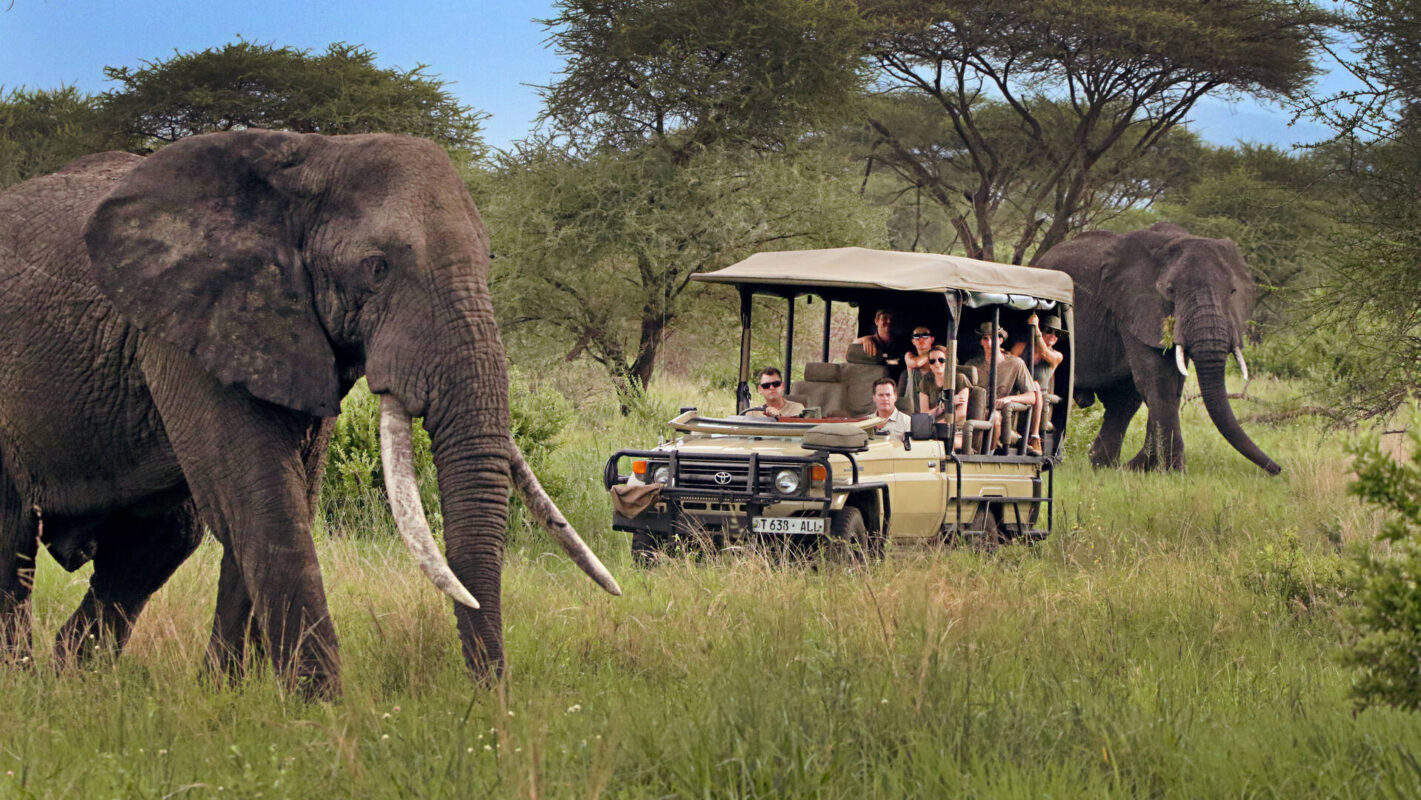
The green season, which runs from November to May, attracts Tanzania safari travelers who prefer fewer crowds. Although short rains sometimes occur, especially between November and April, the showers are usually brief and confined to afternoons, leaving plenty of time for game drives. The landscape transforms into a lush paradise, and newborn animals fill the Serengeti National Park plains and other Tanzania safari destinations. This can be an excellent choice for returning visitors who want a different perspective on familiar Tanzania safari destinations.
A professional Tanzania tour operator can provide valuable guidance when deciding on timing, by tracking migration patterns closely and maintaining constant communication with guides on the ground. They understand that weather can vary slightly from year to year and can recommend the most suitable period based on individual priorities, whether that means maximising big cat sightings, enjoying birdlife, seeking solitude, or travelling with family.
The northern circuit Tanzania national parks each have their own seasonal characteristics. In Tarangire National Park, for example, the dry season brings massive elephant concentrations along the Tarangire River, creating unforgettable scenes against the backdrop of ancient baobab trees. Ngorongoro Crater remains excellent year-round due to its unique geography, though the dry months often provide clearer views across the caldera floor. Lake Manyara’s tree-climbing lions and flamingo populations fluctuate with water levels, making timing important for specific wildlife interests.
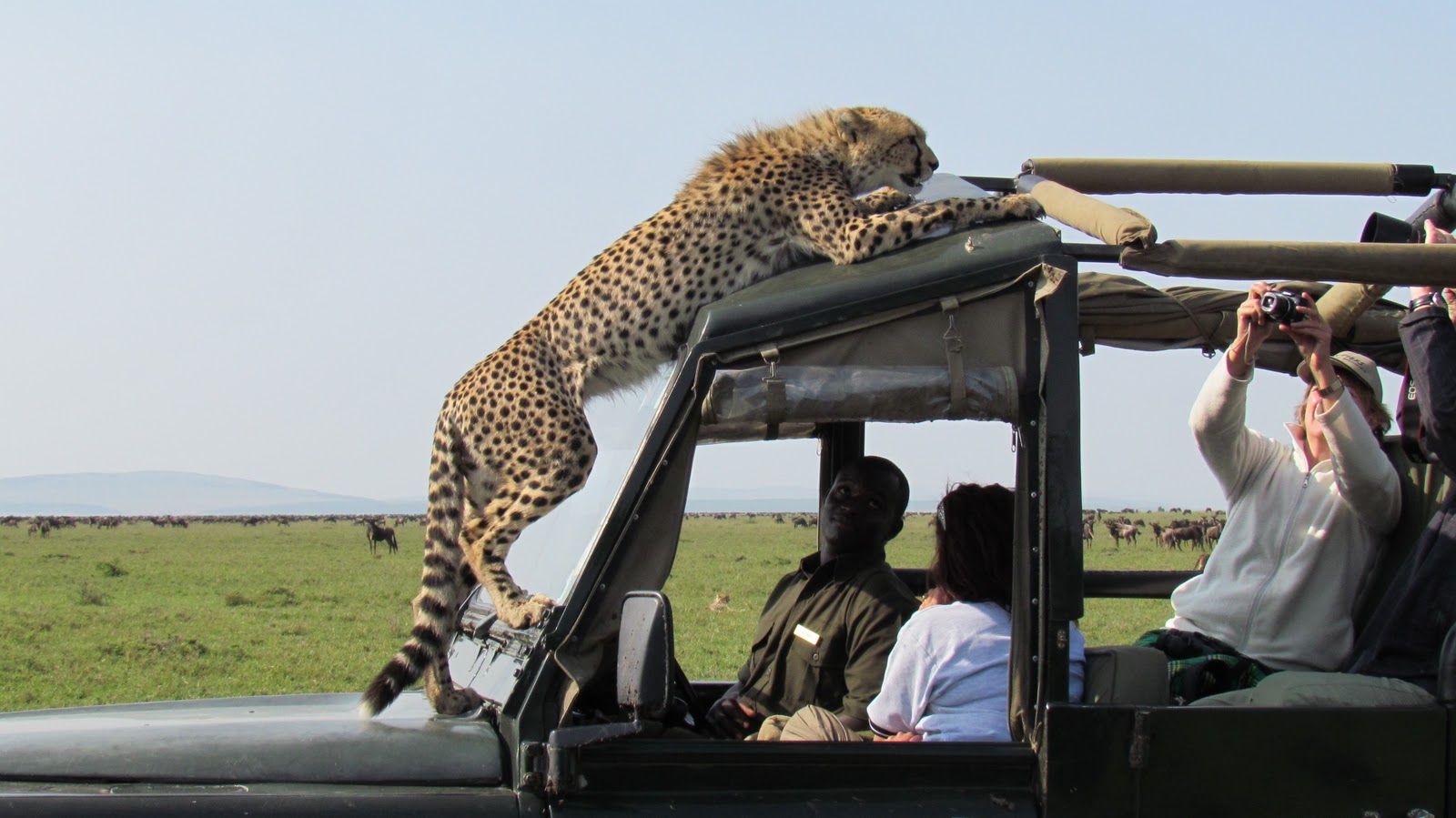
Southern Tanzania safari destinations such as Ruaha National Park and Nyerere National Park offer wonderful experiences during the dry season, when rivers become focal points for Tanzania wildlife. These remote areas feel even more exclusive during the green season, when fewer visitors venture there and the landscape comes alive. Many experienced Tanzania tour operators recommend combining northern and southern Tanzania national parks across different seasons in order to gain a fuller appreciation of the remarkable diversity of animals across different Tanzania safari destinations.
Beyond pure wildlife viewing, the best time for a Tanzania safari tour also depends on other activities that Tanzania safari travelers wish to enjoy. Those planning to climb Mount Kilimanjaro, for instance, often coordinate their Tanzania safari around the optimal trekking seasons of the mountain.
Weather conditions play a significant role in ensuring that a safari in Tanzania is comfortable and enjoyable. During the dry season, days are warm and generally sunny, while evenings are cool and perfect for campfire stories under a sky filled with stars. The green season brings dramatic skies and beautiful light that is ideal for photography, though it does call for preparation for occasional rain and muddy road conditions that can slow down game drives.
Ultimately, the ideal time for a Tanzania safari is personal and depends on the individual visitor’s priorities. Some guests prioritise wildlife density and are willing to travel during high season. Others prefer the rains, appreciating the lower visitor numbers and the lush green environment. The most important step is to make a decision based on your own priorities and to seek detailed information from a professional Tanzania tour operator about the different Tanzania safari seasons and their respective attractions.
It is also important to understand that during the heavy rain periods, particularly in April and early May, some roads in certain Tanzania safari destinations become challenging, and some areas may not be easily reachable. However, even during these months, many other areas remain accessible and offer a true off-season experience with strikingly beautiful landscapes and genuine wilderness.
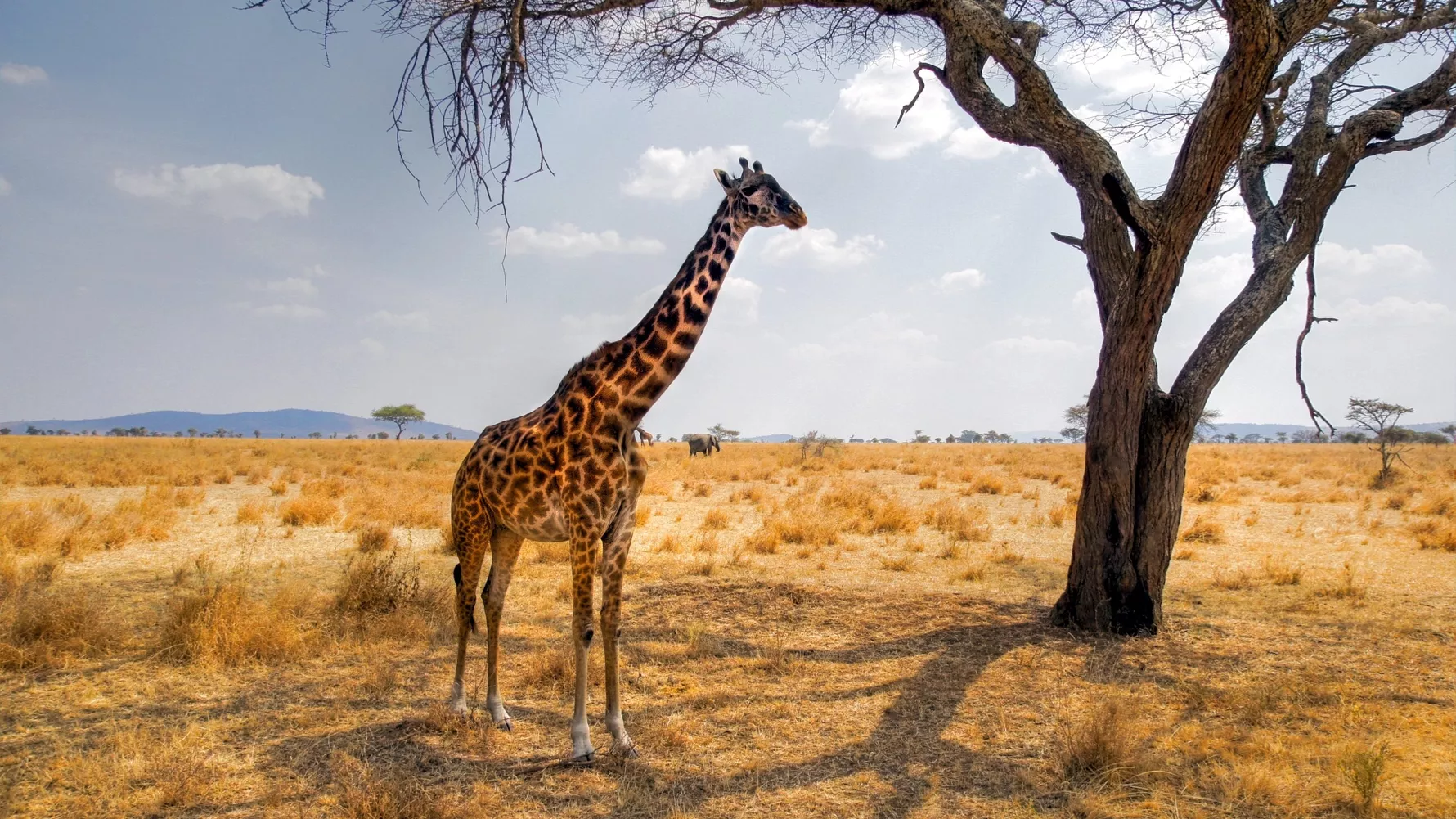
Tanzania has a remarkable ability to deliver rewarding safari experiences in every season, thanks to its varied geography and resilient wildlife populations. Whether witnessing the thunderous river crossings of the migration or enjoying the peaceful beauty of a green-season landscape dotted with newborn gazelles, each period holds its own magic during Tanzania safaris.