
Top Destinations in Northern Tanzania
Top Destinations in Northern Tanzania, the North is actually the most famous and well-established safari circuit in Tanzania. It offers a great introduction to the country’s top-notch destinations, both for first-time and repeat visitors. The Big Five, the wildebeest migration, the Maasai, and the Hadzabe are all located in this circuit.
The Serengeti and Ngorongoro Crater are the most famous places known for their unparalleled wildlife experience. But they aren’t the only places you should go in the north. There are quieter and lesser-known places in the North. On this blog, we feature top places worth visiting.
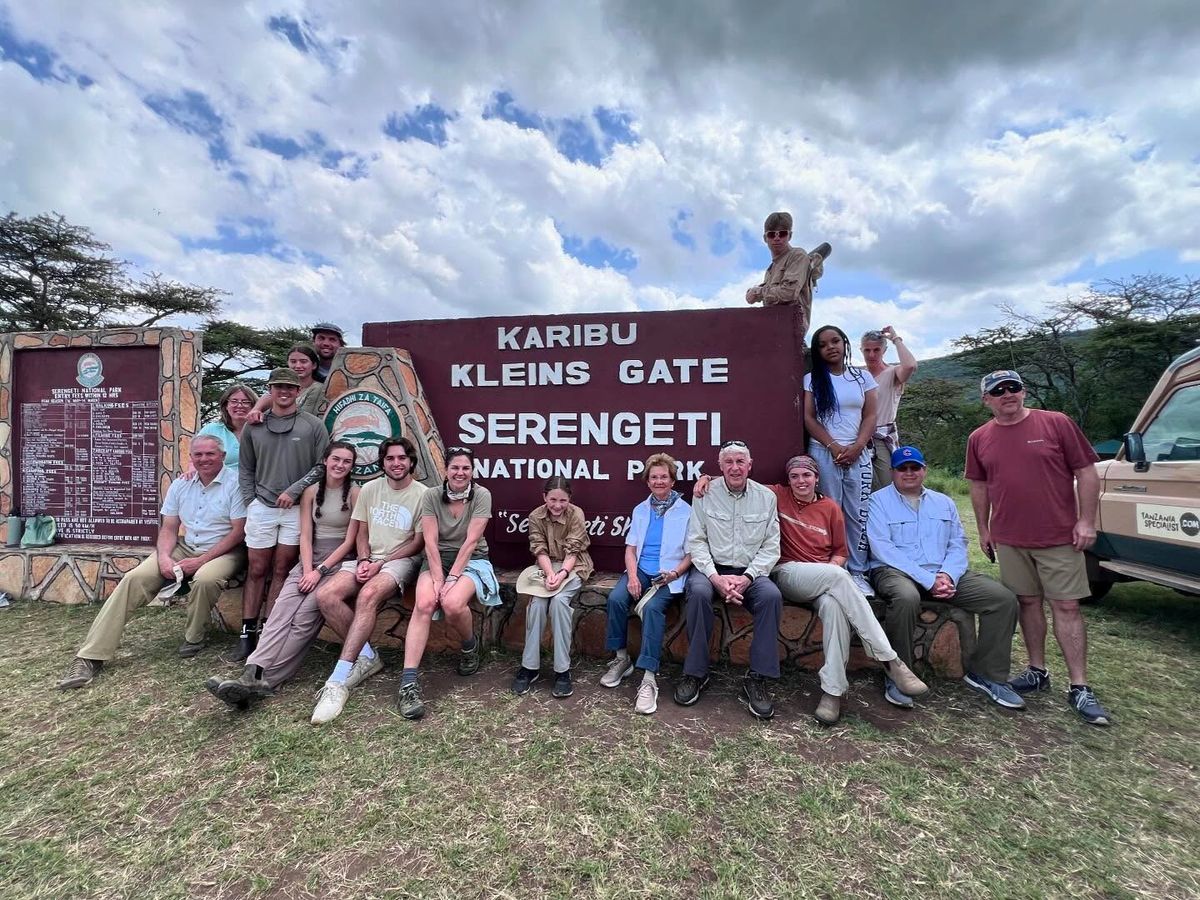
Serengeti National Park
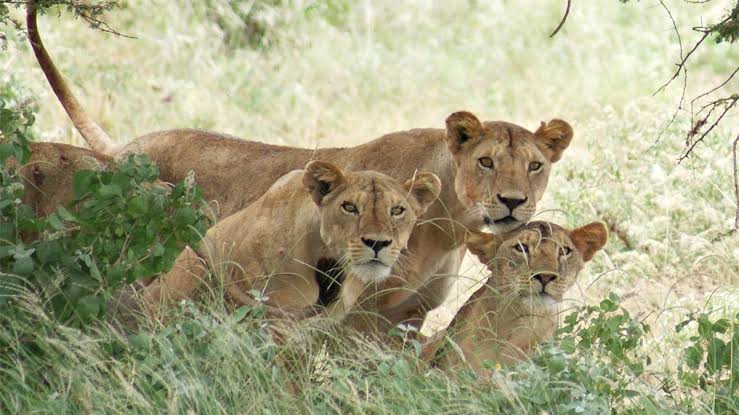
The Serengeti is, without a doubt, Africa’s top wildlife destination. Featured in The Lion King (1994 & 2019), Africa: The Serengeti (1994), Serengeti Shall Not Die (1959), and countless wildlife documentaries, the Serengeti is well-known and documented. It’s a great place to watch unfiltered wildlife moments.
The wildebeest migration, which is by far the world’s largest mammal migration, occurs every year in the Serengeti. The event features nearly 2 million wildebeest, which follow the same age-old routes from south to west to north and back to the south again. Every event is worth watching. However, the spectacular river crossings that happen from June to October are people’s dreams.
You can also watch the Big Five (lion, leopard, elephant, buffalo, and black rhino). The majestic prides of lions command the ‘endless plains’ of Seronera Valley. Drive eastwards to the Namiri Plains to look out for cheetahs and leopards. Other animals to watch out for include elephants, buffalo, hyenas, impalas, and warthogs, not to mention hippos and crocodiles.
Places to Stay: Serengeti Sound of Silence, Kati Kati Camp, Mbali Mbali Soroi Camp, and Sanctuary Kusini Camp.
Ngorongoro Crater
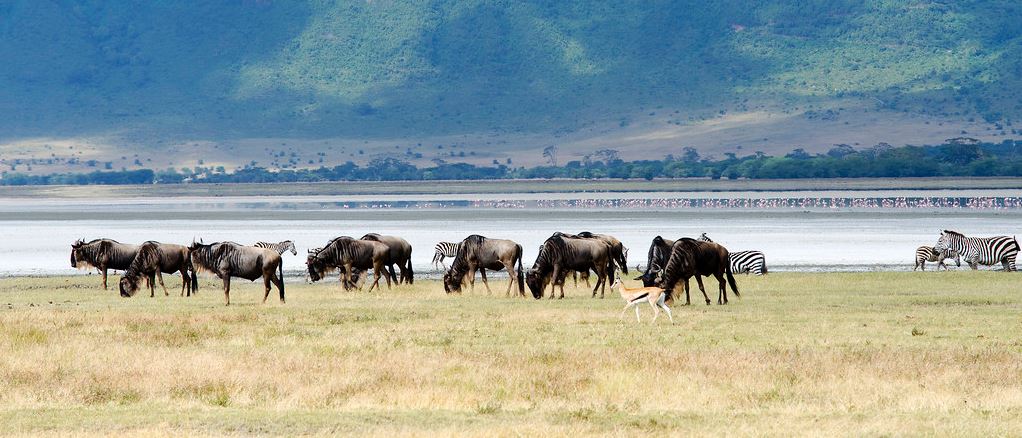
A wonder to behold and, of course, the world’s largest unbroken caldera, Ngorongoro is a UNESCO World Heritage Site. Located in the wonderful Ngorongoro Conservation Area, this volcanic bowl is home to more than 25,000 animals. This landmark was formed after the eruption and collapse of the Ngorongoro Mountains about 2.5 million years ago.
The Big Five is the main highlight here. While the number of each member of the Big Five in the crater is lower than in the Serengeti, it’s much easier to find them. The black rhino, for example, is often spotted easily on the crater floor. It’s even possible to see all the Big Five in the crater.
Activities in the crater revolve around traditional game drives. Walking isn’t allowed. However, you can walk around the camp if you choose to stay in one of the camps on the crater rim. There’s more space to find animals in the Ngorongoro Conservation Area, where you can find giraffes (not present in the crater), buffalo, warthogs, and elephants.
Places to Stay: Entamanu Ngorongoro, Lion’s Paw, Plantation Lodge, Acacia Farm Lodge, The Highlands, and Lemala Ngorongoro.
Tarangire National Park
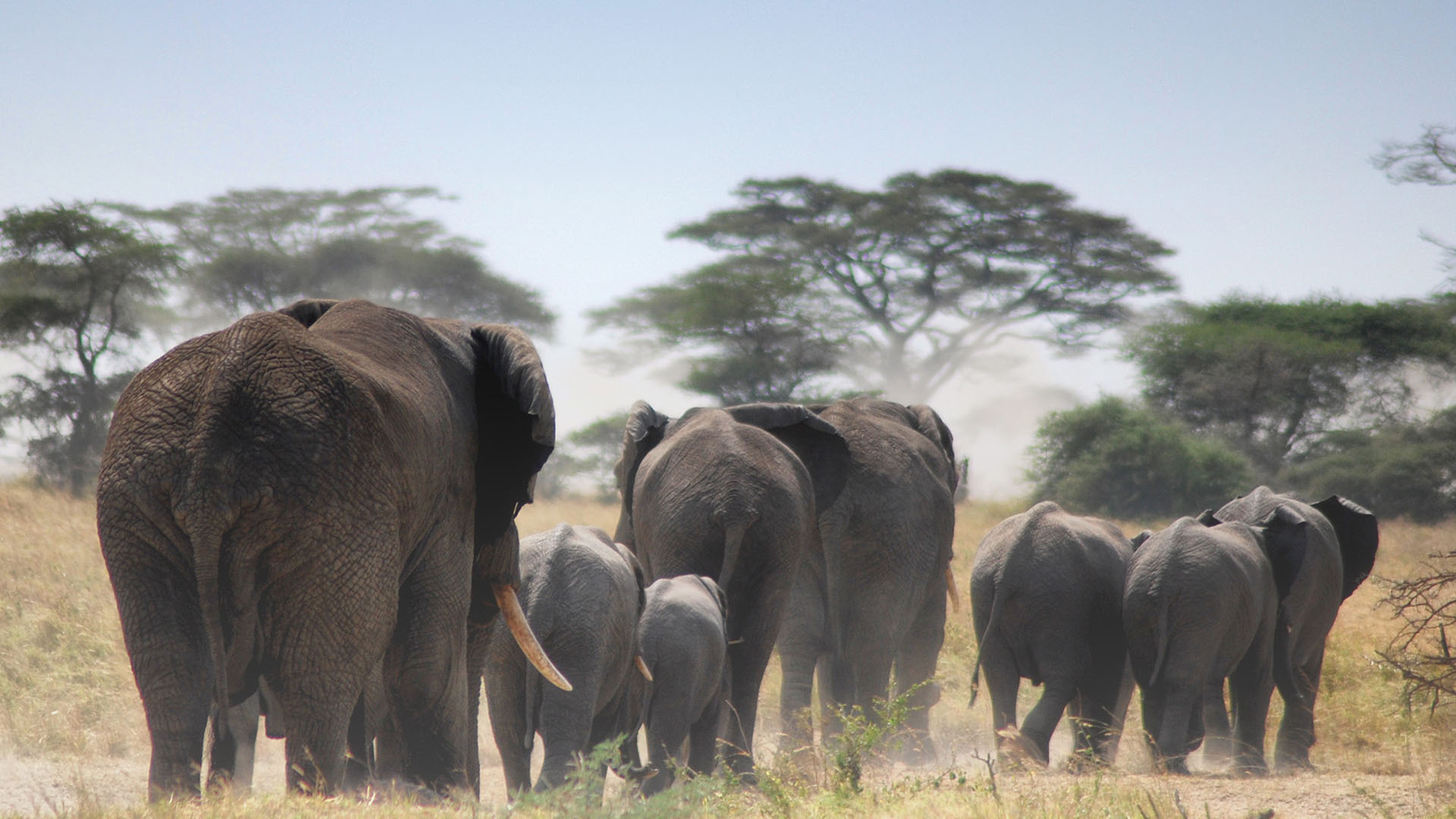
Tarangire is quiet, unlike its famous neighbors. It is well-known for its massive herds of elephants, giant baobabs, and wildlife migration. Tarangire offers a much-needed intro to the diverse wildlife of Tanzania. It is one hour from Arusha by car and 20 minutes by flight.
A drive is a great way to experience the outskirts of Arusha, and we often include this drive in our safari packages. It’s therefore worth the hassle. However, if you are in a hurry, you can book a flight to Kuro, Tarangire’s only airstrip. Air Excel, Coastal Travels, and Auric Air run flights from Arusha, Kilimanjaro, and Ruaha.
Tarangire doesn’t promise Big Five sightings (which is probably why it’s lesser-known). But you will view large herds of elephants, which earns Tarangire the title of an ‘elephant paradise’ national park. When the dry season kicks in, many animals migrate from other parts to a reliable source of water, the Tarangire River.
Places to Stay: Oliver’s Camp, Swala Camp, Tarangire Sopa Lodge, Chem Chem Lodge, Ndovu, and Kuro Camp.
Lake Manyara National Park
Lake Manyara is small and quiet, popular for the tree-lounging lions and large flocks of flamingos. It spans about 330 square kilometers (127 square miles), with the alkaline lake accounting for 75% of the area. It’s about a 2-hour drive from Arusha and a 45-minute flight from Arusha.
What we love about Manyara is its tree-climbing lions. These lions spend the afternoon lounging on the branches of acacia trees. They do this to scan for possible prey, escape biting insects, and avoid the afternoon heat. On top of lions, the groundwater forests harbor baboons and colobus monkeys. You can also see elephants, buffalo, wildebeest, giraffes, and zebras.
The pinkish appearance of Lake Manyara is due to large flocks of flamingos. Exploring the lake by canoe is possible, and you can see hippos and crocodiles in the marshes. A treetop canopy walkway is another out-of-the-box safari experience. This 340-meter bridge is about 15 meters off the ground and goes through the canopy of trees.
Places to Stay: Lake Manyara Tree Lodge, Escarpment Luxury Lodge, and Mandhari Lodge.
Kilimanjaro National Park
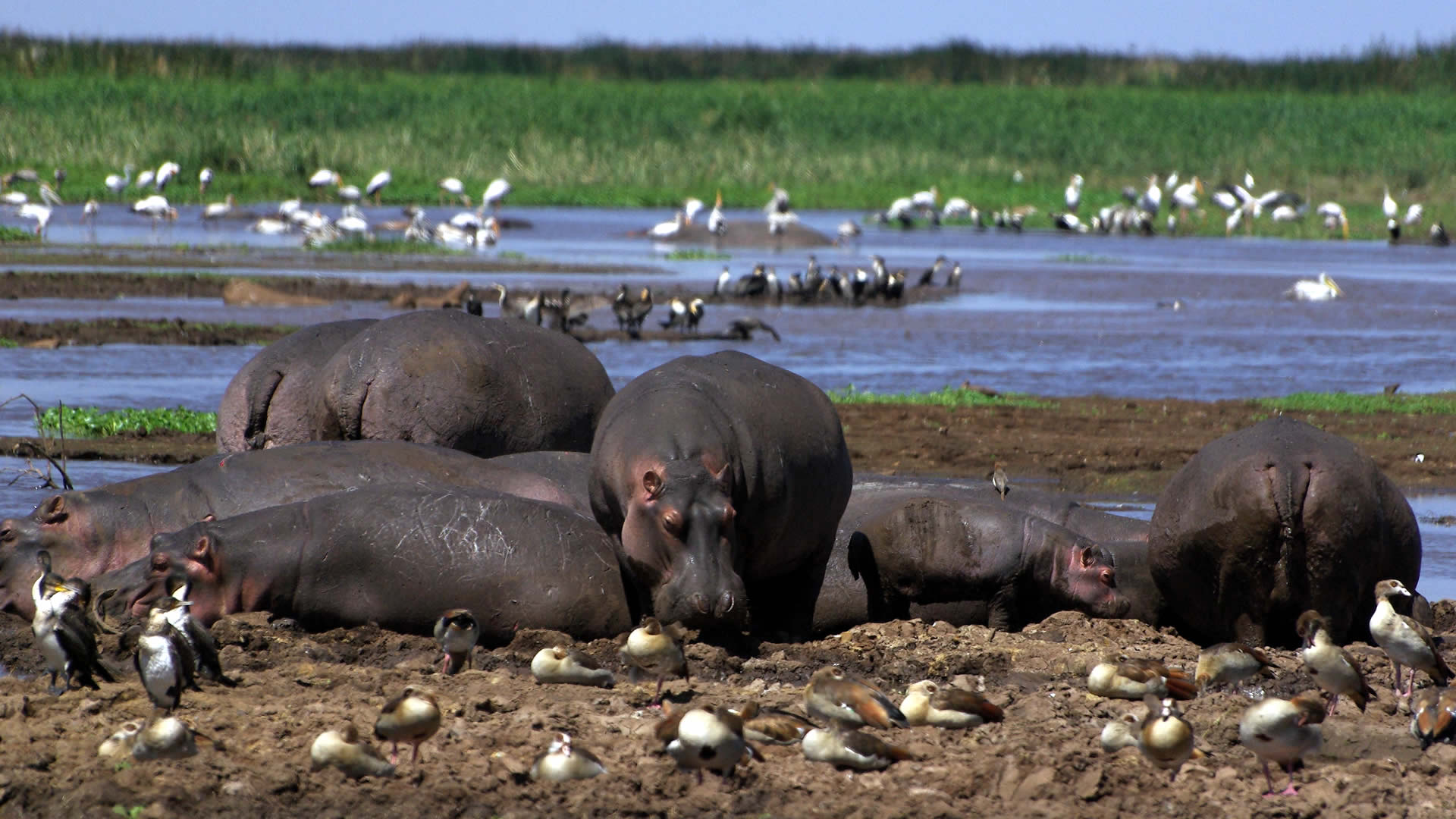
Mount Kilimanjaro is without a doubt the world’s freestanding mountain and, of course, the roof of Africa. Standing at 5,895 meters (19,341 ft) above sea level, this dormant volcano showcases the natural beauty of Africa. Its snow-capped peak makes it appear from as far as Amboseli National Park in Kenya.
The good thing is that you don’t need special mountaineering skills to hike it. It’s a walk-up trek, but some sections require you to have enough stamina. The route you pick can also make your hike a success or a failure. Kilimanjaro has seven routes: Marangu, Machame, Lemosho, Rongai, Shira, Umbwe, and Northern Circuit.
Marangu is good for beginners due to its gentle inclination, shorter length, and permanent camps (compared to camping on other routes). Lemosho and Rongai are equally good for both their gentle slope and scenery. The longer Northern Circuit route takes about 9 days to complete, but it has higher chances of success.
Places to Stay: Panama Garden Resort, Rafiki Backpackers, Kilimanjaro Wonders Hotel, and Springlands Hotel.
Arusha National Park
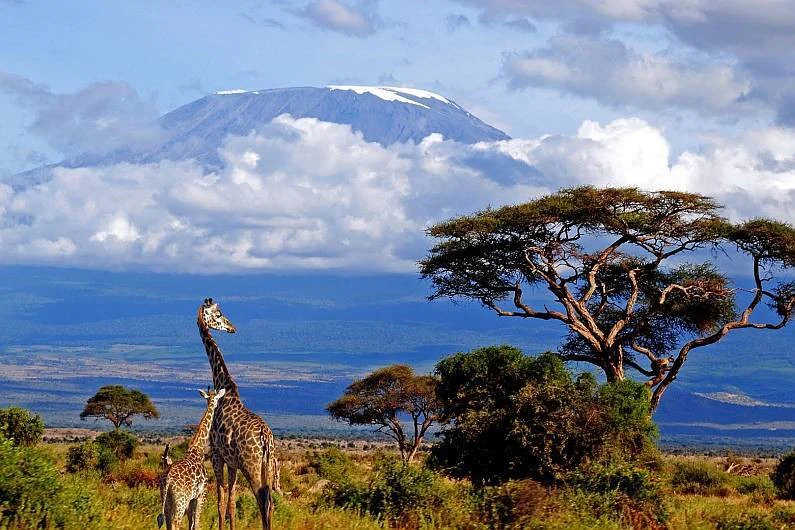
The home of Mount Meru, Africa’s fifth-highest peak, is often overlooked. Many guests go there just to pass the time as they prepare for their Serengeti or Ngorongoro Crater safari. Additionally, climbers hike the 4,566-meter Mount Meru to acclimatize their bodies for a Kilimanjaro climb.
People go there to do a three-day or four-day hike on Mount Meru and to watch big game such as buffalo, elephants, giraffes, wildebeest, and zebras. The Ngurdoto Crater is home to various animals, including the rare sitatunga antelope. You can also do canoeing in the Momella Lakes.
Places to Stay: Hatari Lodge, Kilimanjaro Eco Lodge, Meru Mbega Lodge, Mount Meru Game Lodge, and Hillside Retreat.
Mkomazi National Park
Mkomazi is isolated in the northeast between Kilimanjaro and Tanga. To get there, you have to drive northwards from Kilimanjaro Airport for at least 3 hours. Mkomazi, together with Kenya’s Tsavo National Park, forms the Tsavo-Mkomazi ecosystem.
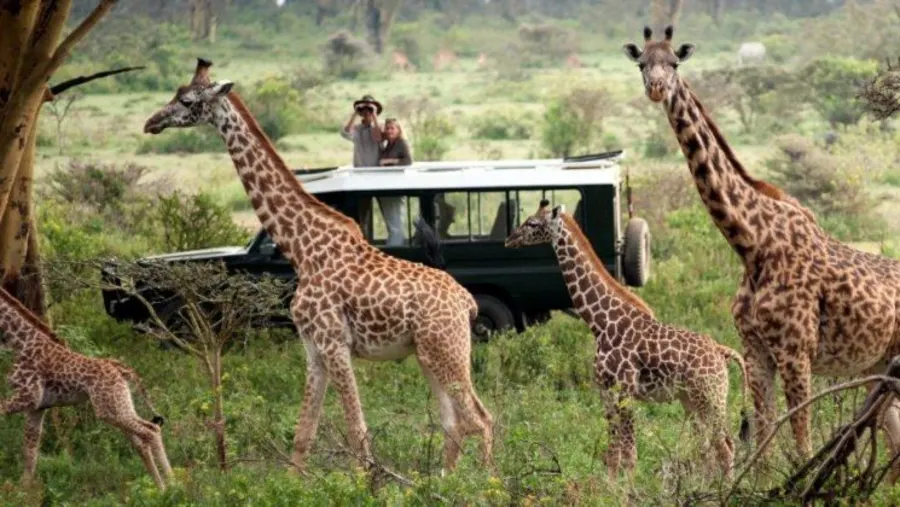
Mkomazi offers views of big game such as buffalo, wild dogs, lions, elephants, leopards, wildebeest, and zebras, among others. If you want to view the black rhino, then this is a great place. The Mkomazi rhino sanctuary, which was founded by Tony and Lucy Fitzjohn in 1989, is currently open for visits.
For that reason, Mkomazi is almost a Big Five park, with guaranteed views of the rhinos. If your search for lions, leopards, elephants, and buffalo is successful, then you will tick the Big Five off the bucket list.
Places to Stay: Mkomazi Wilderness Hotel, Elephant Motel, Johnson Villas, and Mambo Viewpoint.
Let’s design your northern Tanzania safari.
How do you want your safari to be? Just a safari through the north (and maybe the south). Or a Kilimanjaro climb combined with a safari or beach holiday in Zanzibar. Add-ons like Lake Natron, Lake Eyasi, Maasai, and Hadzabe can make your safari memorable. Our experts are ready to hear from you. Start planning.