
Katavi National Park was established as a national park in 1974 and was only 2200 square kilometers in size. In 1997, 2271 square kilometers were added to make it 4471 square kilometers in size, and in 1998, it was given the name Katavi National Park. It was named after Katabi, a local legendary hunter said to be buried in this park. According to Wabende (locals residing Katavi region), Katabi was an exceptional hunter and was buried in a tamarind tree close to Lake Katavi. Visitors always pay tribute to this legend by giving offerings to the tamarind tree.
What to see in Katavi National Park
Katsunga plain: It is a second vast, breath-taking plain in Tanzania after Serengeti. It is about 425 square kilometers in size and it is found in the heart of the park. Visitors prefer to name it a “small Serengeti”. This vast plain is mainly made up of grass and short shrubs. It hosts many herbivores like buffalos, antelopes, zebras, gazelles, elephants, elands and warthogs. A game ride through this plain will reward you with the spectacular views of wildlife.
Katuma River: This is largest river flowing through Katavi National Park. It has a network of tributaries, channels and swamps. Its main source of water is seasonal swamps and lakes. Katuma River is home to majestic hippos and Nile crocodiles. Riverine forests harbors colorful birds and beautiful primates like colobus monkeys and other stunning wildlife which accumulate during the dry season.
Floodplains: Katavi National Park is dominated by three large floodplains linked by Katuma River. These plains are flooded by heavy rains during wet season thereby making them appear as seasonal swamps. They boast large number of wild animals especially herbivores during dry season. Floodplains are evergreen during the dry season thus attracting a large number of animals which are in the search of pasture and water. Large herds of buffalos are frequently encountered in these floodplains. Floodplains dry up during dry season and wildlife gathers at remaining water while hippos gather in muddy pool.
Seasonal lakes and swamps: Some remarkable seasonal lakes like Chada, Katisunga and Katavi are found in Katavi National Park. These low-lying seasonal lakes host magical hippos and crocodiles. They are tremendous places for taking pictures.
Incredible vegetation; Katavi National Park is mainly made up of attractive vegetation which is made up of Miombo trees (a Swahili word for ‘baobab’). Lush forests made of acacia woodlands.
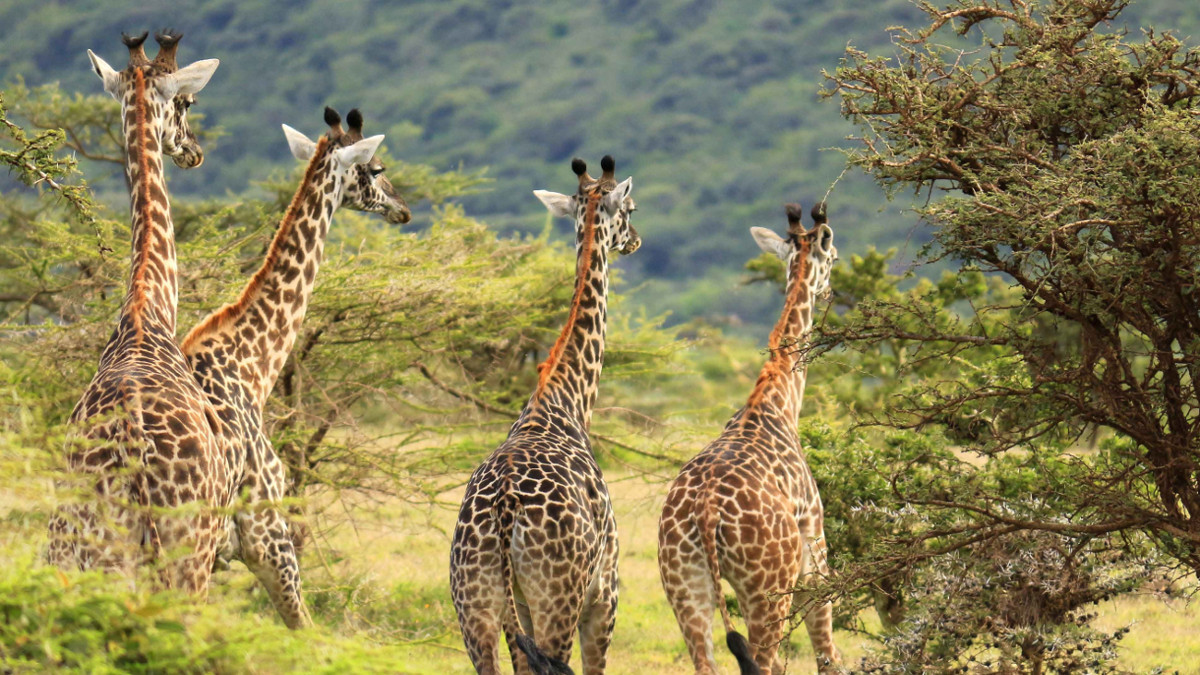
Diverse wildlife: Forget about the floodplains, Katsunga plain and other magical natural features found in the ecosystem of Katavi National Park, this park is highly concentrated with diverse wildlife. You are guaranteed to see animals like Cape buffalos, zebras, wildebeests, giraffes, elephants, cheetahs, wild dogs, hyenas, lions, leopards, moose, topi, hartebeests, defassa waterbucks, elands, jackals, roan and antelopes. You will also view the mighty hippos and wonderful crocodiles in the Katuma River and in the seasonal swamps and lakes.
Superb birdlife: Katavi is endowed with over 400 bird species. If you are not a fan a watching birds, you will probably be one after your Tanzania wildlife Safari to Katavi National Park. Beautiful birds reside this park including open billed stork, lilac breasted roller, African fish eagle, crested barbet and saddle billed stork. Apart from these birds, European and Asian migratory also become temporary residents of Katavi during breeding season.
Where to stay at Katavi National Park?
The type of accommodations you will be staying at Katavi depends on your budget. There are accommodations for budget travelers as well as luxurious visitors. If you want to stay inside the park, you should be informed of concession fees for hotels and tented camps. Non-East African citizens and expatriates of or above the age of 16 years are charged a concession fee of 30 USD while children aged between 5 and 15 years are charged a fee of 10 USD.
Be aware of public and private campsites found inside Katavi National Park. A public campsite fee is 30 USD for non-East African citizens of or above 16 years and 5 USD for children aged between 5 and 15 years. A fee for a special campsite is 50 USD for non-East African citizens of or above the age of 16 years and 10 USD for children aged between 5 and 15 years.
World-class accommodations are also available in Katavi. Some of them include Chada Katavi Tented Camp, Katavi Wildlife Camp and Mbali Mbali Katavi Lodge. They offer walking safaris, sweet local cuisines, drinking bars and many other services.
A trip to Katavi National Park is fantastic and inevitable one. This one is unique as it will leave you with uncountable stories to tell to your friends once you are back home. It is easier to book this trip. Plan your budget and make a trip to Katavi. The doors at Explore Africa Safaris are always open for you to get any free safari consultation. I can assure that; you won’t regret taking it. Good luck!
