
Meru National Park : After a busy year doing important work with your employer or company, you need some free time somewhere else in the world. Everyone loves having good moments during his/her vacation. If you want an interesting holiday stay, East African countries one of which is Kenya, should be at the top of list. Kenya is home to 24 national parks all of which are incredibly beautiful. This fabulous country has a lot to offer to its beloved visitors who choose to spend their precious holiday within its borders.
After choosing Kenya as your favorite destination for wildlife adventures, you may wonder which protected area should you land on for your safari. Simple, isn’t it? Meru National Park is an alluring spot for wildlife safaris, situated in the northeast of Kenya within Tharaka-Nithi County. Meru National Park covers an estimated are of 336 square miles (equivalent to 870 square kilometers) and is elevated at 3000ft in the Nyambene mountain slopes.
Getting to Meru National Park
The primary stop for most international tourists coming into Kenya is Nairobi, which is about 350 kilometers away from Meru National Park. This park can reached through air flights or by road. Flights is the most convenient way of reaching this wonderful park because it has some finest airstrips including Kina Airstrip, Mulika Airstrip and Elsa’s Kopje Airstrip. Therefore, you can book a chartered flight from various locations including other parks and national reserves to one of these airstrips.
When you want to access this park by road, you may choose one of these two routes; Nyeri-Nanyuki-Meru (through Murera Gate) or Embu (through Ura Gate).
The best time to visit Meru National Park
When planning your trip to Meru National Park make sure you know the seasonal fluctuations of weather in this park. The western part of the park receives heavy rains during the wet season, which ranges from 635 to 762 mm. The eastern part of Meru National Park receives relatively low rainfall of about 305-356 mm. In short, it is hard to navigate through this park during wet season, which starts in December and ends in April.
The best time for visiting Meru National Park is between June and October when the park receives very little rains. However, if you are a birder, bird-watching rewards more during wet season especially between January and March when the migratory birds settle in their nests for breeding.
Things to do in Meru
A number of unmatched experiences can be obtained in Meru National Park. Some of these once-in-a-lifetime activities include:
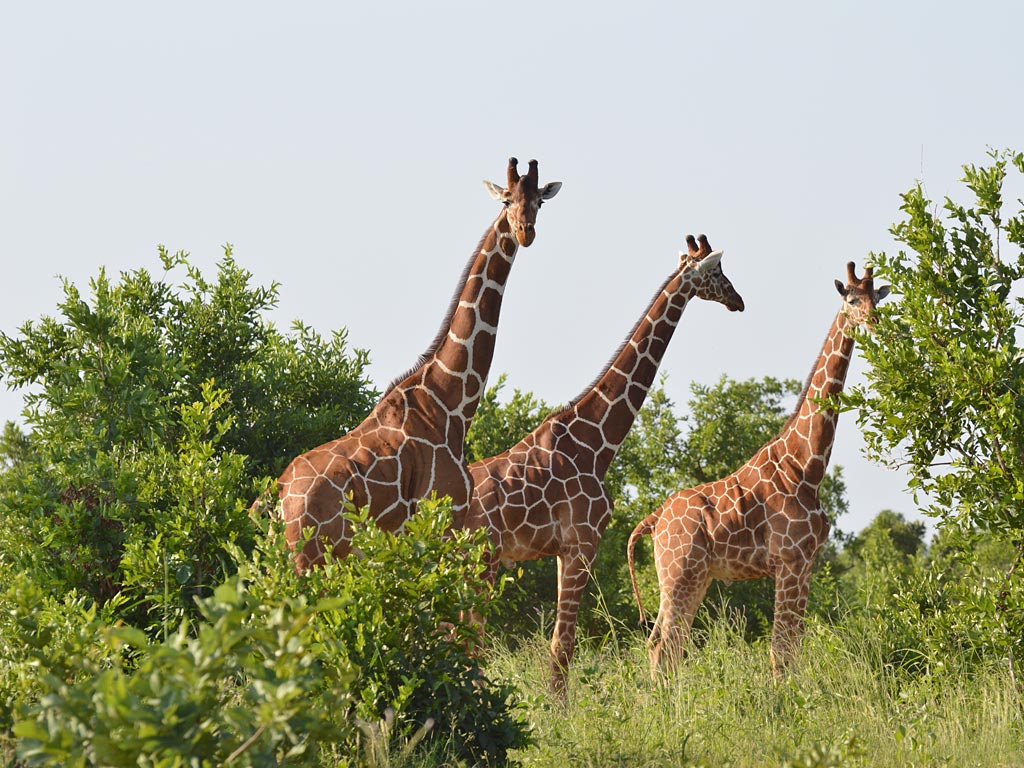
Game viewing: Meru National Park hosts many wild animals worth viewing on a game ride. They include elephants, leopards, cheetahs, zebras, hippos, hartebeests, buffalos, giraffes, black and white rhinos. For a game ride to be exceptionally rewarding, it should be always be conducted early in the morning. Most wild animals are outside sun basking when the sun is still young in the morning.
Canoeing: Meru National Park is an incredibly stunning feature crosscut by 13 rivers, some of which are navigable by a canoe. You can have canoe safari through these wonderful rivers to explore more about the superb riverine forests, hippos, crocodiles, fishes and riverine birds.
Rhino viewing: Reports about both white and black rhinos keep us updated about how endangered are these mammal species. With their historical significance and beautiful appearance, Meru National Park made a special rhino sanctuary that plays home to the endangered rhinos, both white and black. If you are keen at learning more about these historical mammals, you can ask for a special rhino viewing safari to the Rhino Sanctuary within Meru National Park.
Birding: Meru National Park is endowed with dense riverine forests and acacia woodlands which plays home to over 400 bird species. This makes it an epic destination for birders and ornithologists. Some commonly encountered birds include Peter’s fin foot (found in Murera and Ura rivers), kingfishers, weavers, rollers, bee-eaters, starlings and Pel’s fishing owl. For an exceptional birding safari, don’t forget to come with a camera and a pair of binoculars.
Cultural visit: After getting used to wild animals you can go for a cultural trip. Meru National Park is just two-hour-drive from Ameru, Borana and Tharaka communities. All these communities are welcoming and will let you learn cultural things about them.
Camping: If you are going to Meru National Park and want to spend your night in its wilderness, you are in the right place. Here you a number of options including campsites, cottages, guest house and lodges. They include Kinna Cottages, Kinna Guest House, Murera Cottages and Meru Guest House, all of which are run by the Kenyan Wildlife Service (KWS). Campsites include Chuma, Golo 1, Fisi, Mugunga and Golo 2 while lodges include Elsa’s Kopje Lodge and Leopard Rock Lodge.
Generally speaking Meru National Park is an undoubted site for any safari-goer seeking adventures and cultural experiences. It can be easily visited by booking a trip from a reliable tour company.
