
What Is The Best Time To Visit Uganda? Uganda, often known as the Pearl of Africa, is a place that gets more and more attention every year as one of the top travel destinations from worldwide travel guides. Uganda was included in CNN Travel’s list of places to visit in 2024. This is because more and more people are becoming aware of Uganda’s breathtakingly gorgeous scenery, diverse ecosystems, and possibly the best weather on earth, as well as the friendliest locals who follow a wide range of cultural and traditional practices. Additionally, ten national parks offer a wide range of thrilling experiences, such as the well-known gorilla and chimpanzee trekking excursions, birdwatching, and big game safaris.
When is the best time to visit Uganda? Many are choosing to travel to Uganda, but many are unsure of the ideal time to see the Pearl of Africa. Since weather is the main reason people travel, I can say that anytime is a wonderful time to visit Uganda because there aren’t any extremes in the weather that would make it impossible to enjoy your trip or activities. But, depending on what you want to do in Uganda, the best time to see particular wildlife and have experiences, and the local circumstances that can compromise safety, you might want to think about the optimal weather conditions.
SEASONAL PLANNING FOR UGANDA TRAVEL
While you can see wildlife all year round, the best time to see it is from June to August, which is the long dry season, when the rain won’t interfere with your travel schedule. The only significant variation in the year-round warm, pleasant weather in this tropical region is the quantity of rainfall. For game drives, hiking, and wildlife safaris, you’ll have outstanding visibility. Higher altitudes, such as gorilla Safari parks, will be colder, but southern national parks often experience milder daytime temperatures and colder nighttime temperatures. The proximity of South Uganda and Kampala to Lake Victoria contributes to their relative mildness.
Experience the “Big Five” on a safari in Queen Elizabeth National Park, the renowned gorillas of the Virunga Mountains in Bwindi Impenetrable Forest or Mgahinga Gorilla National Park, and a Batwa Pygmy hamlet. Experience the thrill of whitewater rafting in Jinja, the epicenter of adventure on the Nile River, or explore water sports on the world’s largest tropical lake, Lake Victoria.
Rainy seasons provide muddy roads and torrential downpours, which add to the difficulty of traveling, trekking, and wildlife viewing but are still tolerable. It can be a great time to explore Kampala, the capital of Uganda, with its cultural and historical treasures. Bonus: Its tropical and somewhat humid environment results in verdant forests, breathtaking landscapes, and a thriving wildlife population. It’s also the ideal season to observe migratory birds.
Dry Seasons in Uganda (June to August, December to February)
While June to August is peak season, you may still go on a wildlife safari and see mountain gorillas in Bwindi Impenetrable and Mgahinga Gorilla national parks because they won’t be overly crowded. Your woodland excursion will be easier to handle because there is less undergrowth obstructing your view of wildlife because of the low rainfall. Plus, because they congregate near watering holes, animals are easier to identify. See the endangered shoebill stork at Murchison Falls National Park, get up close and personal with chimpanzees in Kibale Forest, or marvel at the tree-climbing lions that are unique to Queen Elizabeth National Park.
Uganda is driest in June and July, though it can still rain in those months. It’s the hottest time of year, ranging from 75°F (24°C) to 86°F (30°C), while the mountainous areas, where the gorilla parks are located, may have slightly lower temperatures. Make reservations in advance to see the gorillas because this is peak season and these months fall on North American school holidays. Although there may be some dust and haze on the roads, it won’t cause your travel to go more slowly.
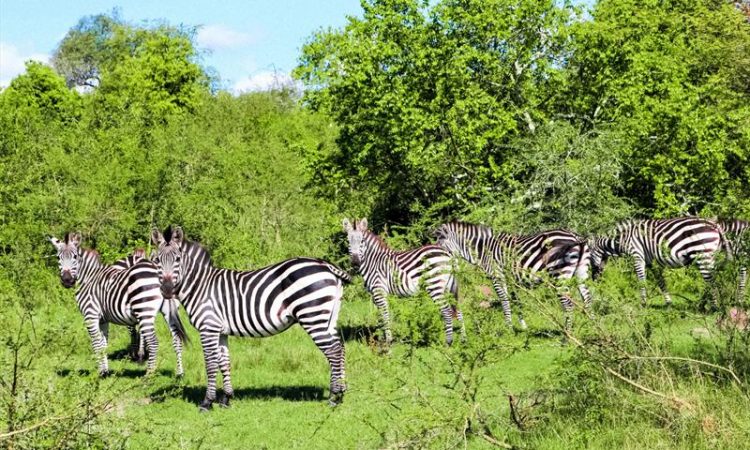
The Rwenzori Mountains’ layered vegetation, lakes, and glaciers can all be seen during hikes during the drier months of the year at Rwenzori National Park. Mount Stanley is Uganda’s tallest peak, reaching a height of 16,760 feet (5,108 meters) for the more daring adventurer. Additionally, it’s the ideal season to do Gorilla trekking in Uganda, summit climb the Virunga Mountains, which form the country’s southern boundary with Rwanda, or head west to observe zebras grazing in the meadows of Lake Mburo National Park.
For adventurous sports including whitewater rafting, kayaking, bungee jumping, tubing, fishing, and horseback riding, take a boat excursion to Jinja, the source of the Nile River. In addition to being a fantastic place to capture Nile perch, Entebbe on Lake Victoria is well-known for its papyrus reeds and floating water hyacinth during the dry season. Watch out for the papyrus endemic birds, such as the papyrus yellow warbler and the papyrus gonolek, as it’s also a birdwatcher’s paradise. Visit Ziwa Rhino Sanctuary, which is close by and has rare white rhinos.
Events in the Dry Seasons
- Namugongo, the Festival of the Ugandan Martyrs. On June 3, a million pilgrims from around the globe and Ugandans travel to a shrine in Namugongo to offer prayers to martyrs as part of this religious celebration.
- Jinja’s Nile Festival. In August, Ugandans get together to celebrate the cultures of the people who live along the banks of the River Nile through dance workshops, storytelling, music, theater, parades, and kid-friendly events.
- Lunkulu Island hosts the Bayimba International Festival of the Arts. This August festival features visual arts, music, dance, theater, and film from East African and local artists.
Wet Seasons in Uganda (September to November, March to May)
Take advantage of the lower number of visitors during the warm but not oppressive rainy season, when the parks are lush and verdant. The low season is more reasonably priced to travel there since certain lodgings will offer discounted rates, and some tour operators may offer discounted gorilla safari permits.
Gorillas prefer the lower slopes where food is abundant, so even if the dry season is still the ideal time to see them, your trekking period may be shortened. Visit Ngamba Chimpanzee Sanctuary to meet and see the recovered chimpanzees and their interactions with their caretakers. From September to March, birdwatchers should look for migrating birds such as flamingos, black terns, swallows, raptors, and passerines. Others, including great white pelicans, African skimmers, and spoonbills, can be found in the national parks or while on a Kazinga Channel water safari for birdwatching.
Explore Kampala, the capital city of Uganda, in the meantime. See their troupe perform a lively folk dance while viewing tribal treasures at the Uganda Museum, Kabaka’s Palace, and the Ndere Cultural Center. The Buganda Craft Market offers a wide variety of gifts, including beaded shoes, carved wooden bowls, and woven fabrics. The off-peak months are ideal for visiting the educational center close to Muhuvura Cave and Mgahinga National Park, as well as for getting to know the Batwa people who live there through their customs and storytelling.
Events in the Wet Seasons
- The Kampala Amakula International Film Festival is held nationwide. This touring film festival honors the subject of independence by showcasing both new and classic films starting in September.
- B-Global Festival of Indigenous Hip Hop, Kampala. This September event uses hip-hop culture to educate young people and help them rediscover their roots.
- Jazz Safari at Nile Gold, Kampala. Jazz enthusiasts get together in October to enjoy performances by saxophones, bass, drums, keyboards, and pianos.
