
How Much Does a Tanzania Safari Cost in 2026? A Honest Guide
How Much Does a Tanzania Safari Cost in 2026, One of the first questions travelers ask when planning a Tanzania safari is: how much will it cost? The answer is that it depends, but in a very useful way. Tanzania safaris can be organized across a genuinely wide range of budgets, from adventurous camping trips to ultra-luxury private experiences. Understanding what drives the cost and what you get at each level makes it much easier to plan a safari that delivers exactly what you are looking for.
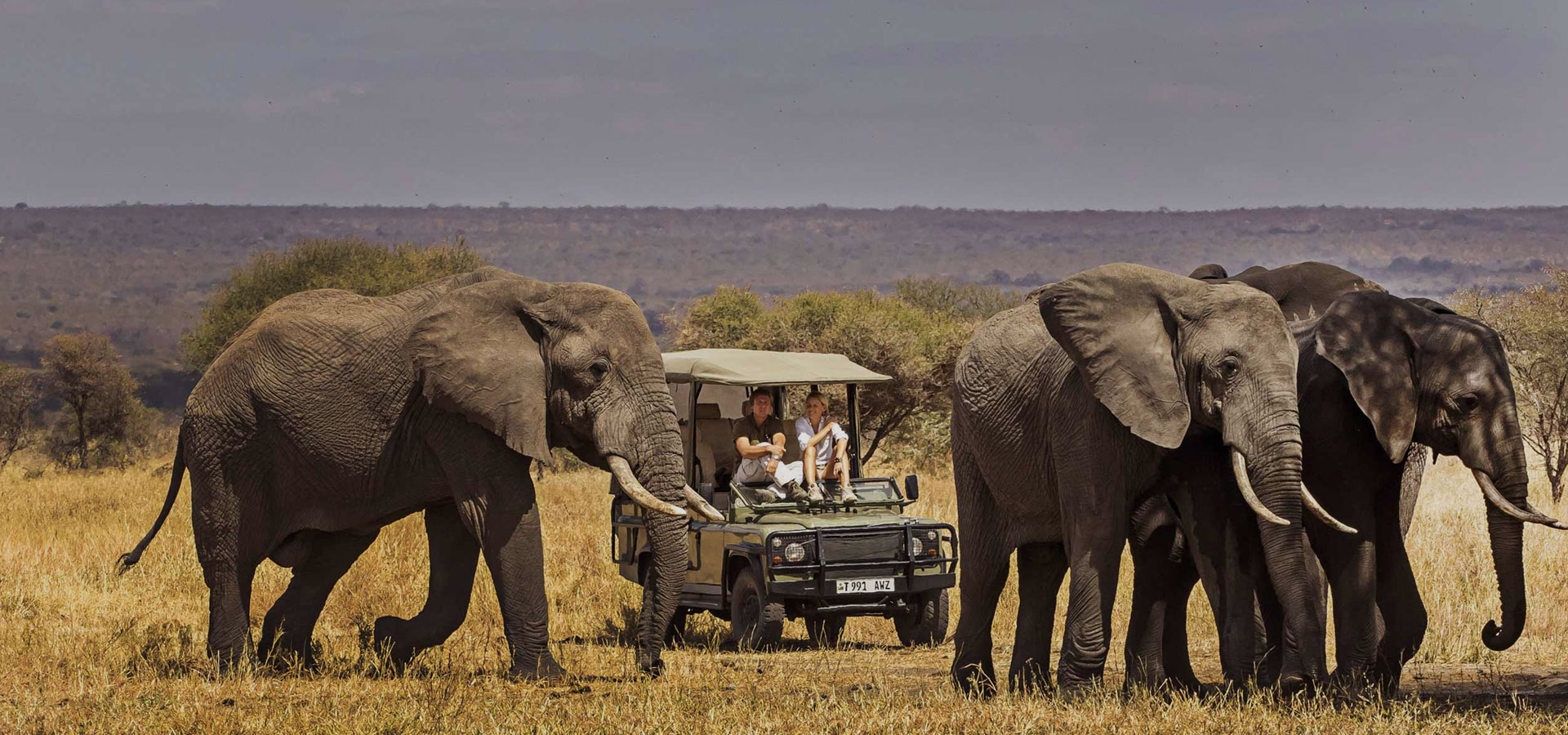
What Is the average cost of a Tanzania Safari per day in 2026?
In 2026, a Tanzania safari typically costs between $250 and $1,500 or more per person per day. Most travelers planning a quality mid-range experience with comfortable camps, a private vehicle, and a professional guide can expect to spend in the range of $350 to $500 per person per day. Budget camping safaris start from around $250 per person per day. Luxury fly-in safaris with exclusive camps and personalised service start at $700 and can go considerably higher. These rates are usually all-inclusive of accommodation, meals, park fees, safari vehicle, and guide.
What is included in a Tanzania Safari Package?
A standard Tanzania safari package typically includes accommodation, all meals, a private 4×4 safari vehicle with a pop-top roof, a professional driver-guide, and national park entry fees. It does not usually include international flights, Tanzania visa fees ($50 for most nationalities and $100 for US passport holders), travel insurance, gratuities for guides and camp staff, or optional extras such as a hot-air balloon flight over the Serengeti, which costs around $600 per person.
What are the main factors that affect Tanzania Safari Cost?
Accommodation is the single biggest variable in your total safari cost. The same five-day northern circuit itinerary can cost very differently depending on whether you stay in basic tented camps or high-end lodges with private plunge pools and gourmet menus. Other important factors include the time of year you travel (high season from June to October is more expensive than the green season), the parks you visit (flagship parks like Serengeti carry higher entry fees than lesser-known alternatives), your group size (private vehicles shared among more travelers reduce the per-person cost), and whether you book directly with a local operator or through an international travel agency that adds its own mark-up.
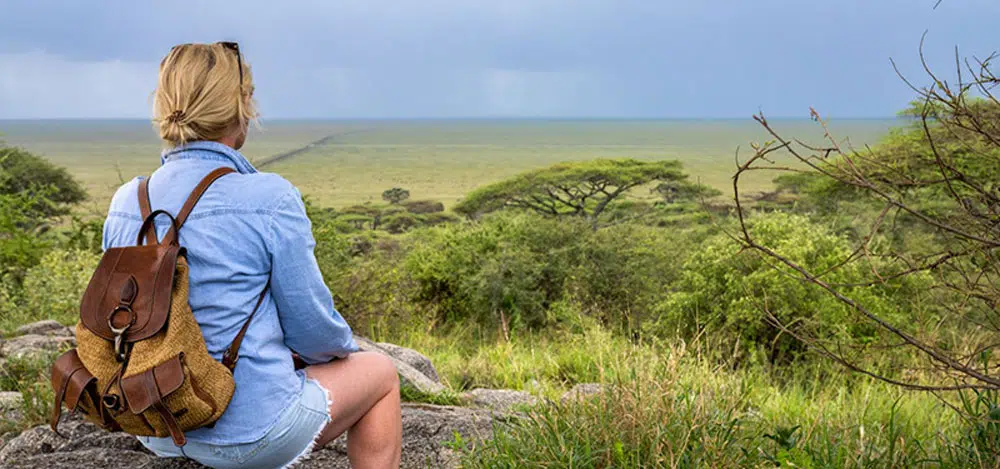
Is It cheaper to travel in the Green Season?
Yes, significantly. Visiting Tanzania during the green season, roughly November to May (excluding the Christmas and New Year peak), can reduce accommodation costs by 20 to 40% compared to the dry season peak. Park entry fees remain the same year-round, but lodges and camps typically offer their lowest rates during this period. The green season also means fewer vehicles sharing the same game areas, which many experienced travelers prefer. Wildlife viewing remains excellent, and the landscapes are genuinely beautiful during these months.
how much do Tanzania National Park fees cost?
National Park entry fees in Tanzania are set by the Tanzania National Parks Authority (TANAPA) and the Ngorongoro Conservation Area Authority. These fees are mandatory and represent a significant portion of any safari budget. For the most popular parks such as the Serengeti and Ngorongoro Crater, park fees for adult non-residents currently sit at around $70 to $83 per person per day. The Ngorongoro Crater also carries an additional vehicle descent fee of $295 per vehicle per visit. Park fees are almost always included in safari package prices, but it is always worth confirming this with your tour operator.
What Is the cheapest way to do a Tanzania Safari?
The most affordable way to experience a Tanzania safari is through a shared group camping safari, where you share a vehicle with other travelers and stay in basic campsites within or near the parks. These trips typically start from around $200 to $250 per person per day and offer genuine wildlife experiences at reduced cost. The trade-offs are less flexibility in your schedule, more basic sleeping arrangements, and sharing your game drive vehicle with strangers. For many younger or budget-conscious travelers, these trade-offs are well worth making for the sake of getting into the parks at all.
Is a Tanzania Safari worth the investment?
For the vast majority of travelers who make the journey, the answer is an unambiguous yes. The Tanzania safari experience, whether in the Serengeti watching a lion pride hunt at dawn, or at the rim of Ngorongoro Crater watching the mist roll back to reveal thousands of animals below, is one that very few people regret spending money on. Tanzania consistently ranks among the top safari destinations in the world precisely because the quality and consistency of the wildlife experience is so high. A well-planned Tanzania safari, arranged through a trusted and licensed operator, delivers value that travelers talk about for years after returning home.
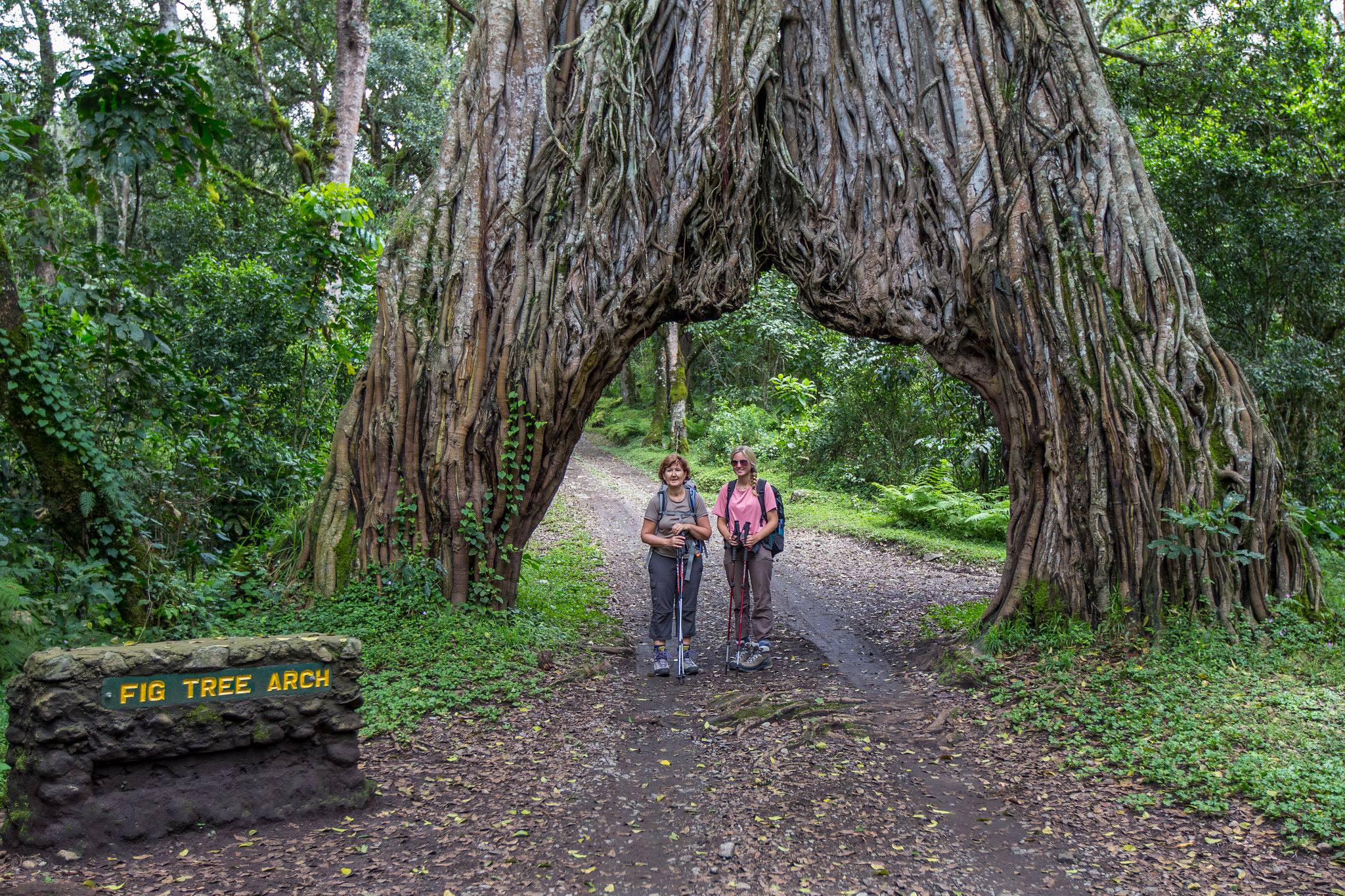
At Explore Africa Safaris, we work across all budget levels and are fully transparent about what you get at each price point. Email us at info@exploreafricansafaris.com and we will design a Tanzania safari that works within your budget without cutting corners on the experience.
